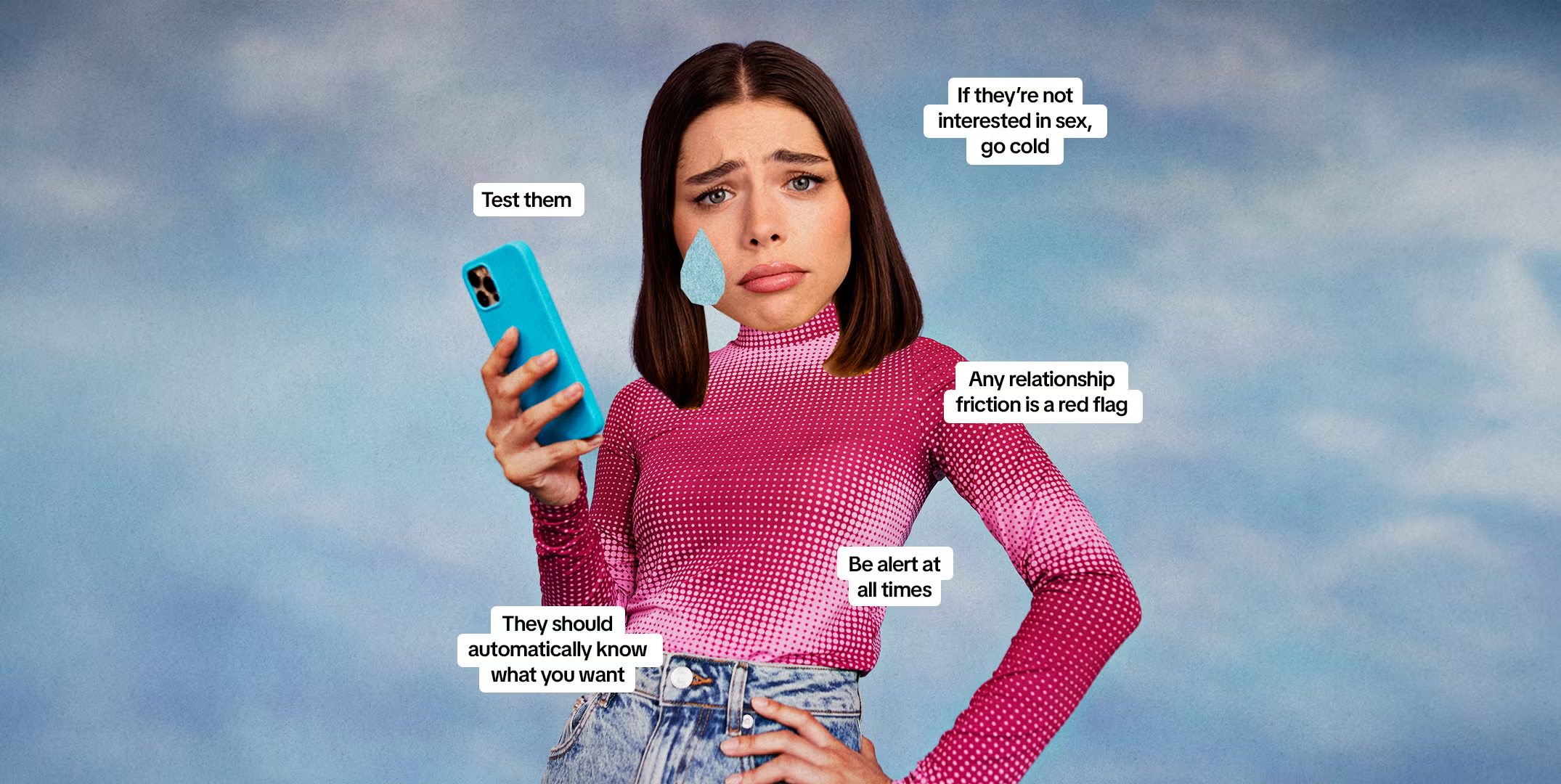
# TikTok Dating Advice That Deserves the Delete Button
TikTok has become the internet's self-appointed relationship counselor, dispensing dating wisdom to millions of users daily. The platform's most viral dating advice often comes wrapped in pithy one-liners and soundbites designed for maximum shareability. But the problem is simple: viral doesn't mean valid, and catchy doesn't mean correct.
One of TikTok's most persistent dating mantras is "if he wanted to, he would." The phrase has spawned countless videos, memes, and comment sections full of users nodding along in agreement. The logic is seductive in its simplicity. If someone truly cared, they'd make the effort. No excuses. No gray area. The advice appeals to people fed up with breadcrumbing, flaking, and emotional unavailability. It offers a clean narrative: either someone is all-in or they're not worth your time.
But real relationships operate in the spaces TikTok's algorithm can't capture. People struggle with depression, anxiety, ADHD, and burnout that have nothing to do with how much they value a partner. Someone might genuinely care while simultaneously struggling to show up consistently. Communication difficulties, trauma responses, and basic human inconsistency complicate the binary judgment this advice demands. By applying a one-size-fits-all standard, you risk dismissing people worth understanding.
The broader problem with TikTok dating advice extends beyond this single viral phrase. The platform rewards extreme takes over nuance. A 60-second video can't hold space for complexity. It can't acknowledge that healthy relationships require both standards and compassion, both boundaries and flexibility. TikTok's algorithm favors certainty over honesty.
Consider what gets amplified: "Never text first," "The three-day rule still works," "Red flags you're ignoring," "He's not that into you if..." These pieces of advice share a common DNA. They promise clarity where none exists. They position dating as a game with fixed rules rather than a complex human experience requiring context, communication, and mutual effort.
The wellness and relationship coaching industries have long traded in absolutes. TikTok simply democratized and accelerated this approach. Now anyone can become a dating guru with a ring light and a strong opinion. The barrier to entry is nonexistent. Expertise is optional.
This doesn't mean all dating content on TikTok is worthless. Some creators offer thoughtful perspectives on red flags, attachment styles, and communication patterns backed by actual psychology. But finding that content requires scrolling past the viral oversimplifications that dominate the feed.
The real cost of accepting TikTok's dating advice wholesale is that you outsource your judgment to a platform optimized for engagement, not your wellbeing. You internalize rules designed for entertainment rather than relationships. You might pass on someone genuinely good because they didn't follow the script.
Dating advice should meet you where you are, not condemn you for not fitting a template. Before accepting the next trending relationship rule, ask whether it leaves room for the specific, messy, real dynamic you're actually navigating. Your situation probably deserves more than 60 seconds of attention.