# Willow Expands Postpartum Care Portfolio With Swehl Acquisition
Willow, the breast pump company known for its hands-free wearable design, has acquired Swehl, signaling an aggressive push beyond milk expression into the broader postpartum wellness market. The move arrives alongside Willow's appointment of a new chief executive officer, suggesting the brand intends to reshape its business strategy around comprehensive maternal health rather than a single-product company.
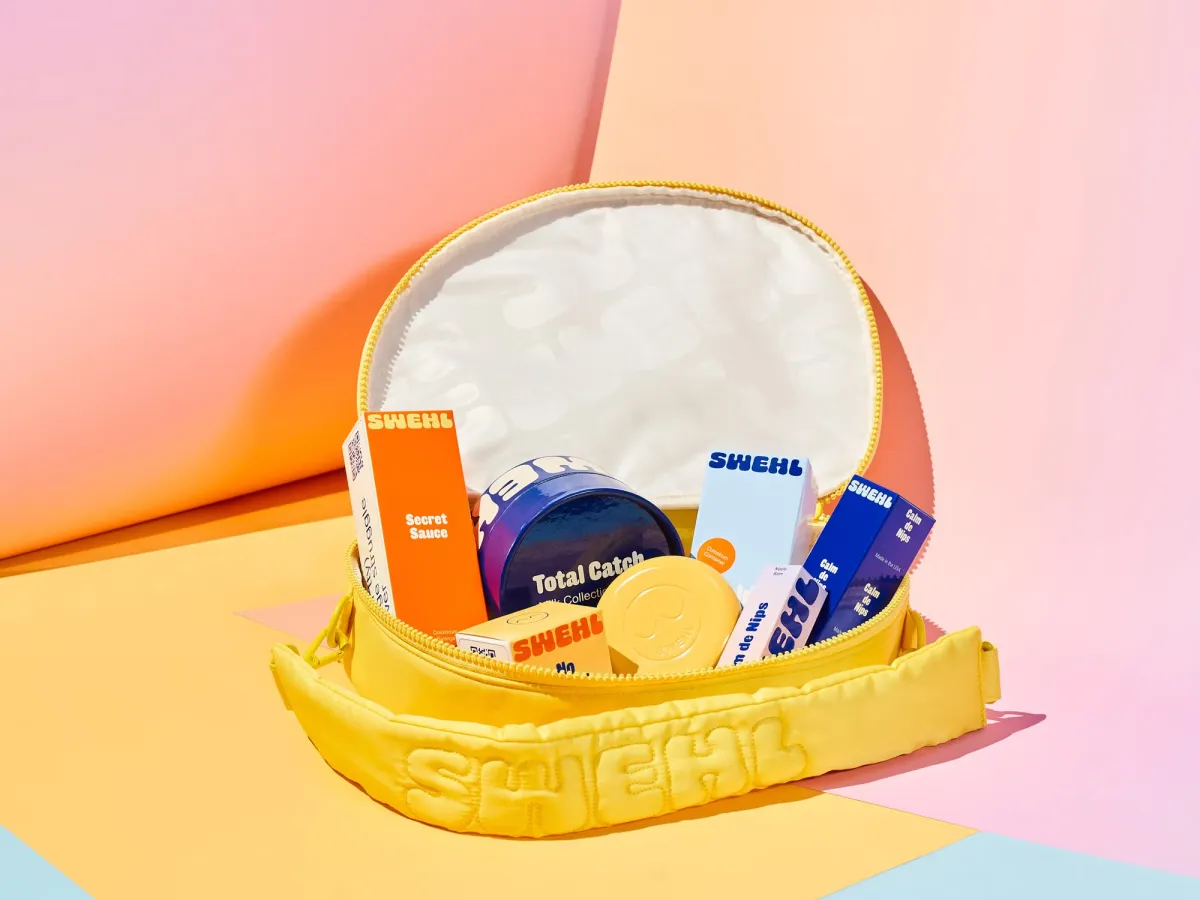
Swehl specializes in postpartum recovery products designed to address the physical demands of early motherhood. The acquisition gives Willow immediate entry into adjacent categories where new mothers spend money during their most vulnerable weeks. This follows a pattern in beauty and wellness where category leaders expand horizontally rather than ceding customer relationships to competitors.
Willow's wearable breast pump revolutionized lactation technology when it launched. The discreet, app-controlled design eliminated the clinical feel of traditional hospital-grade pumps and resonated with working mothers seeking convenience. That innovation built brand loyalty among an affluent demographic accustomed to premium wellness investments. Swehl acquisition taps into that same customer base at a moment when they need solutions beyond lactation support.
The timing matters. Postpartum care remains fragmented and underserved in the U.S. marketplace. New mothers juggle physical recovery, hormonal shifts, sleep deprivation, and emotional adjustment while managing lactation if they choose to breastfeed. Most existing solutions address these issues in isolation. Willow's expansion into Swehl's portfolio creates a bundled ecosystem designed to follow mothers through the entire fourth trimester and beyond.
The CEO appointment reinforces this strategic pivot. New leadership at companies typically signals directional change. Willow's founder and previous leadership built a phenomenal single-product business. Scaling into multiple postpartum categories requires different operational expertise, distribution strategies, and marketing approaches. A new CEO suggests the board intends to think bigger than one-category dominance.
This acquisition also reflects venture-backed health tech trends. Companies that achieved product-market fit in narrow niches increasingly pursue acquisition strategies to build comprehensive platforms faster than organic development allows. Willow had the brand equity and customer relationships to justify acquiring complementary brands rather than building from scratch.
The postpartum care market remains largely mom-and-pop operations or small direct-to-consumer brands. An established player with Willow's brand recognition and customer access entering this space with capital and operational infrastructure poses real competition to existing players. Established diaper and feminine hygiene companies like Kimberly-Clark and Procter and Gamble have tested postpartum products sporadically but never committed resources to competing with specialized brands.
For consumers, the Swehl acquisition matters because it signals Willow intends to become a trusted authority on postpartum health generally. That positioning differs from positioning as a breast pump company. It opens pathways to recommend and integrate products across the recovery journey. Whether those recommendations remain evidence-based or drift into unnecessary upsells depends on how Willow balances business growth with medical integrity.
The acquisition signals the postpartum wellness space is consolidating and maturing. What mothers once pieced together from disparate indie brands now moves toward bundled solutions from established players. That concentration offers convenience but also concentration of power over how postpartum recovery gets defined and sold.