# What Makes a Beauty Shopper Buy? The Real Friction Points Retailers Must Fix
A new report from Beauty Barrage identifies the critical gaps between what beauty consumers want and what retailers deliver at the shelf. The research pinpoints specific pain points throughout the shopping journey, offering brands and retailers a roadmap for converting browsers into buyers.
The report centers on friction. Beauty shoppers encounter obstacles at nearly every stage. Information gaps top the list. Consumers struggle to find products suited to their specific skin type, hair texture, or concern. They lack confidence in ingredient lists and ingredient compatibility. Store layouts confuse them. Staff knowledge varies wildly. Online product descriptions fail to translate to real-world results. These barriers delay purchases, prompt returns, and drive traffic to competitors.
Shade matching emerges as a persistent nightmare, particularly for complexion products. Foundation and concealer remain the category with the highest return rates precisely because virtual tools and in-store lighting fail to deliver accuracy. Customers buy, get home, and realize the shade misses. This friction costs retailers money through reverse logistics while eroding brand loyalty.
Price transparency creates another wedge. Consumers struggle to understand why products cost what they do. They see ingredient lists that appear similar across brands yet face vastly different price points. Without education about formulation complexity, manufacturing standards, or performance testing, shoppers default to lowest price or gravitational pull toward familiar names. Brands miss opportunities to justify premiums.
The report highlights temporal friction too. Beauty shopping takes time consumers don't have. Consultation processes feel transactional rather than personalized. Online navigation requires too many clicks. Mobile experiences lag desktop capabilities. Checkout processes introduce unexpected costs through shipping and taxes. Streamlining these moments shifts perception from chore to experience.
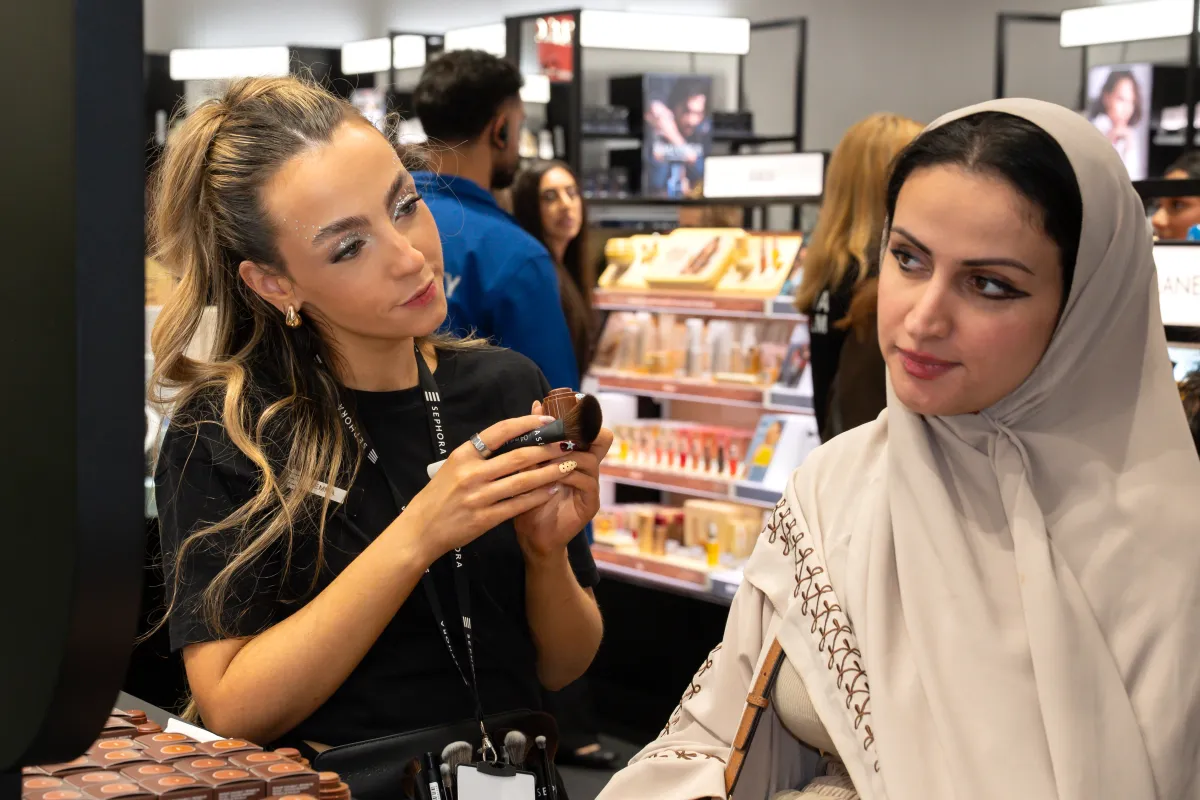
Staff knowledge gaps undermine retail advantage. Trained beauty advisors can diagnose skin concerns, recommend layering sequences, and explain why a higher price point delivers better value. Untrained staff default to pushes for best sellers rather than best fits. This affects both mass market and prestige beauty equally. The report identifies training as a high-ROI opportunity that retailers largely ignore.
Social proof influences heavily but inconsistently. Consumers crave authentic reviews from people with similar skin tones and skin types. Generic star ratings fail to persuade. Detailed written reviews with photos perform better than polished influencer content. Yet most retailers bury reviews beneath marketing copy and algorithmic recommendations that miss the mark.
The accessibility question looms larger. Consumers with disabilities face barriers. Testers sit too high or too low. Packaging proves difficult to open. Text lacks sufficient contrast. Websites fail WCAG standards. These aren't edge cases. They represent real shoppers with spending power retailers leave on the table.
Beauty Barrage's research suggests that friction reduction beats novelty chasing. A consumer who finds exactly what they need buys faster and returns less. They recommend again. They become loyal. Retailers focusing on streamlined information, trained staff, accurate matching tools, and transparent pricing see conversion lift.
The opportunity transcends online or offline. Both channels leak customers at the same friction points. The brands and retailers addressing these gaps first win.