# The Instagram Economy of Luxury: When the Post Matters More Than the Purchase
The luxury market faces a reckoning. Consumers increasingly buy high-end goods not for personal satisfaction or longevity, but for social media currency. A designer handbag becomes less about craftsmanship and more about the 15 seconds it takes to photograph and post it.
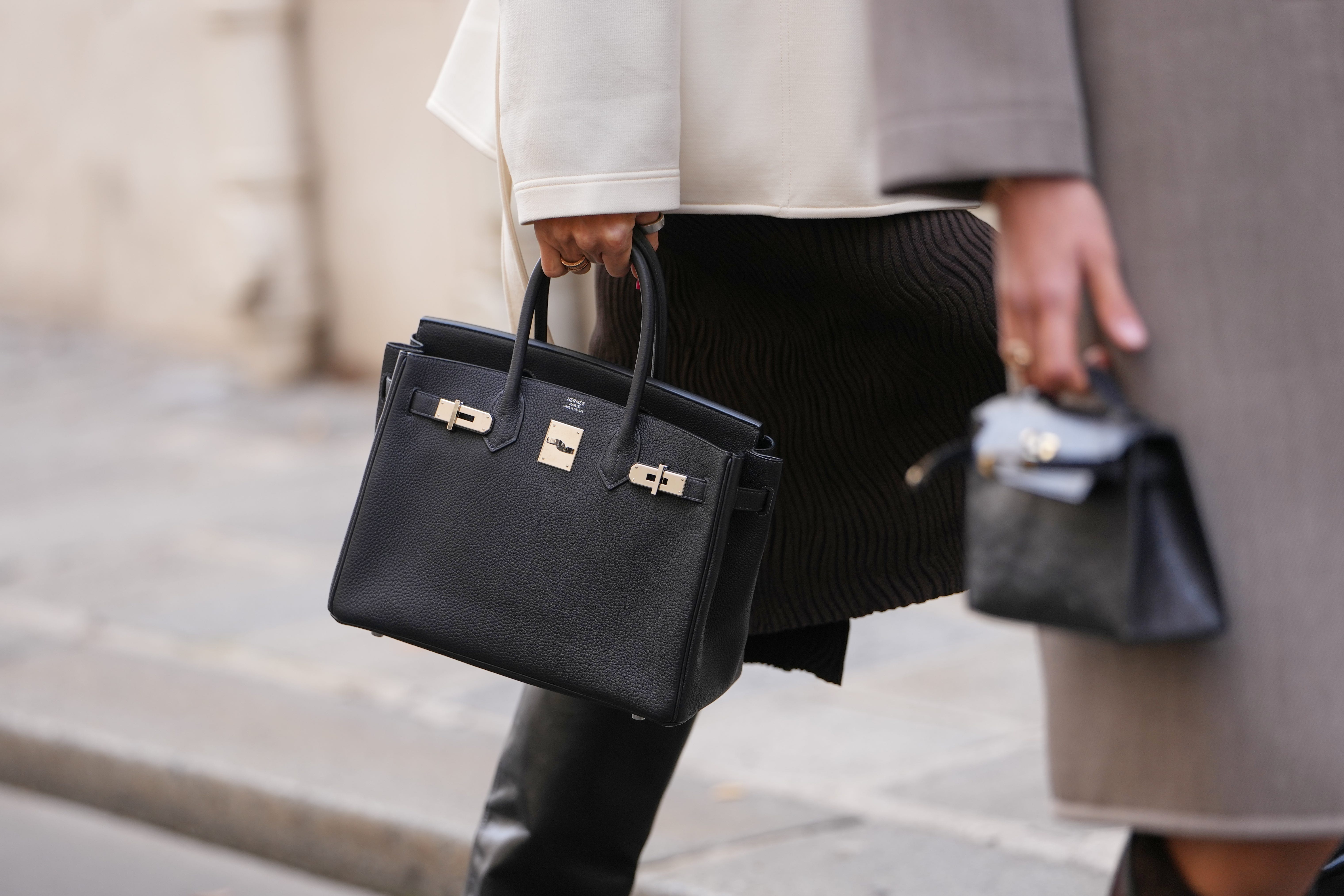
This shift reflects a fundamental change in how status functions in 2024. Historically, luxury purchases signaled wealth through private ownership and tangible quality. A Hermès bag lasted decades and was passed down. Today, that same bag's value derives partly from its post-worthiness. The algorithm matters as much as the leather.
Beauty and fashion brands have noticed. Luxury houses now design with Instagram aesthetics in mind. Packaging becomes increasingly photogenic. Color stories arrive timed to trends rather than seasons. The unboxing experience rivals the product itself in importance. Brands commission influencers and celebrities not just to wear items but to perform consumption rituals on camera.
This creates peculiar market distortions. Products optimized for visual impact may underperform in actual use. A luxury skincare bottle with an Instagram-friendly gradient might contain a formula that doesn't match its price point. A designer fragrance in a statement bottle outsells a genuinely superior scent in nondescript packaging.
The psychological cost matters too. Purchasing for the post rather than for use breeds a kind of consumption anxiety. Once the image circulates, the item's social value diminishes. The urgency to acquire the next thing accelerates. Luxury becomes a treadmill rather than an achievement.
Some brands resist this dynamic. Certain heritage houses still prioritize product integrity over shareability. They understand that sustainable luxury depends on genuine quality, not algorithmic performance. Yet they operate at a disadvantage in a market increasingly driven by visual validation.
The generational divide is real. Older consumers view luxury as permanence and craftsmanship. Younger buyers integrate luxury into their identity performance. Neither approach is inherently wrong, but the tension shapes industry strategy. Direct-to-consumer brands thrive by eliminating the middleman and emphasizing authenticity, yet many still optimize relentlessly for social feeds.
The pandemic accelerated this transformation. Online shopping became standard. Virtual existence grew in importance. The pressure to document consumption intensified as physical socializing contracted. Luxury goods became props in digital self-presentation.
What happens next depends on whether this trend self-corrects or deepens. Some evidence suggests exhaustion with performative consumption, particularly among Gen Z who grew up entirely within social media. Quiet luxury and understated aesthetics gain traction as a countermovement. A plain leather bag from a known maker becomes its own status signal, distinguishing the wearer from the Instagram masses.
Yet Instagram itself continues evolving. Reels reward video. TikTok demands constant novelty. Every platform shift reshapes what luxury looks like. The designer bag that photographs beautifully on a grid may flop on a vertical video platform that prioritizes different visual language.
The answer to Cosmopolitan's question is uncomfortable: for many buyers, the post now rivals or exceeds the object itself. That reality forces brands to choose between chasing algorithmic relevance and building actual value. The smartest ones do both, but the tension persists.