Celebrity beauty brands command attention. They also fail at an alarming rate. 2024 has delivered fresh proof: Scarlett Johansson's The Outset and Gwen Stefani's Gxve Beauty both closed shop, joining a growing graveyard of star-backed cosmetics lines that couldn't sustain momentum. Meanwhile, Selena Gomez's Rare Beauty and Hailey Bieber's Rhode continue expanding, raising an obvious question: what separates the winners from the casualties?
The answer isn't celebrity power alone. It never was.
Celebrity beauty brands thrive when three elements align: differentiated product formulation, authentic personal investment, and audience alignment that extends beyond fame.
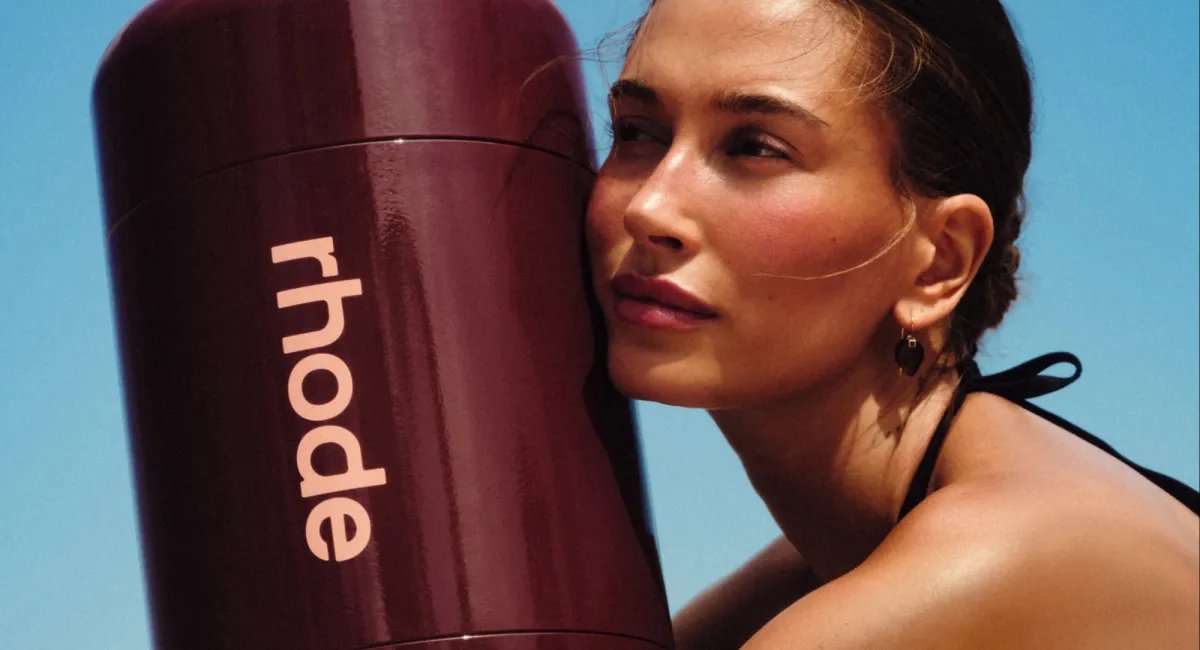
Rhode and Rare Beauty succeeded because each brand solved a specific problem with real conviction. Hailey Bieber launched Rhode around dewy, peptide-rich skincare designed for her own skin concerns. The products were not simply repackaged formulas with a famous name attached. They addressed a gap in the market for lightweight, efficacious hydration at an accessible price point. Selena Gomez's Rare Beauty approached makeup with inclusivity as its core mission, not a marketing afterthought. The line prioritized diverse shade ranges and mental health advocacy from day one. Both founders remained visibly involved in product development and marketing rather than licensing their names to existing beauty corporations.
The failed brands often followed a different blueprint. They positioned themselves as extensions of a celebrity's personal aesthetic without establishing why consumers needed them. The Outset launched as a luxury skincare line backed by Johansson's name but didn't articulate a unique formulation story or consumer benefit that distinguished it from hundreds of existing premium skincare brands. Gxve Beauty struggled similarly, offering a lifestyle brand experience without the foundational product innovation or market differentiation to justify its existence.
Price positioning matters too. The brands that survive occupy either the accessible luxury tier where ROI is immediate, or ultra-luxury where exclusivity commands premium pricing. Many failed celebrity lines landed awkwardly in the middle, charging department store prices without the heritage or clinical backing of established luxury brands and without the viral accessibility of mass-market success.
Timing compounds the problem. Celebrity beauty launches in 2023 and 2024 entered a fragmented market glutted with options. Consumer spending on discretionary products shifted toward clean beauty, sustainability concerns, and indie brands with transparent ownership. The casual celebrity endorsement model fractured. Gen Z especially resists inauthentic partnerships and demands proof of founder involvement beyond a photo shoot.
The brands that persist demonstrate long-term commitment. Rare Beauty invested in mental health initiatives and sustained educational content beyond product drops. Rhode built a community around skincare science, not just Hailey's face. Both founders appear in unscripted content and respond to customer feedback directly.
For aspiring celebrity beauty entrepreneurs, the lesson is harsh: a famous name opens doors but slams them just as quickly if the product story doesn't justify entrance fees. The beauty market has become a meritocracy where celebrity serves as a marketing advantage, not a substitute for innovation, accessibility, or genuine consumer connection. The brands shuttering this year weren't victims of market saturation alone. They were casualties of assuming fame could replace strategy.