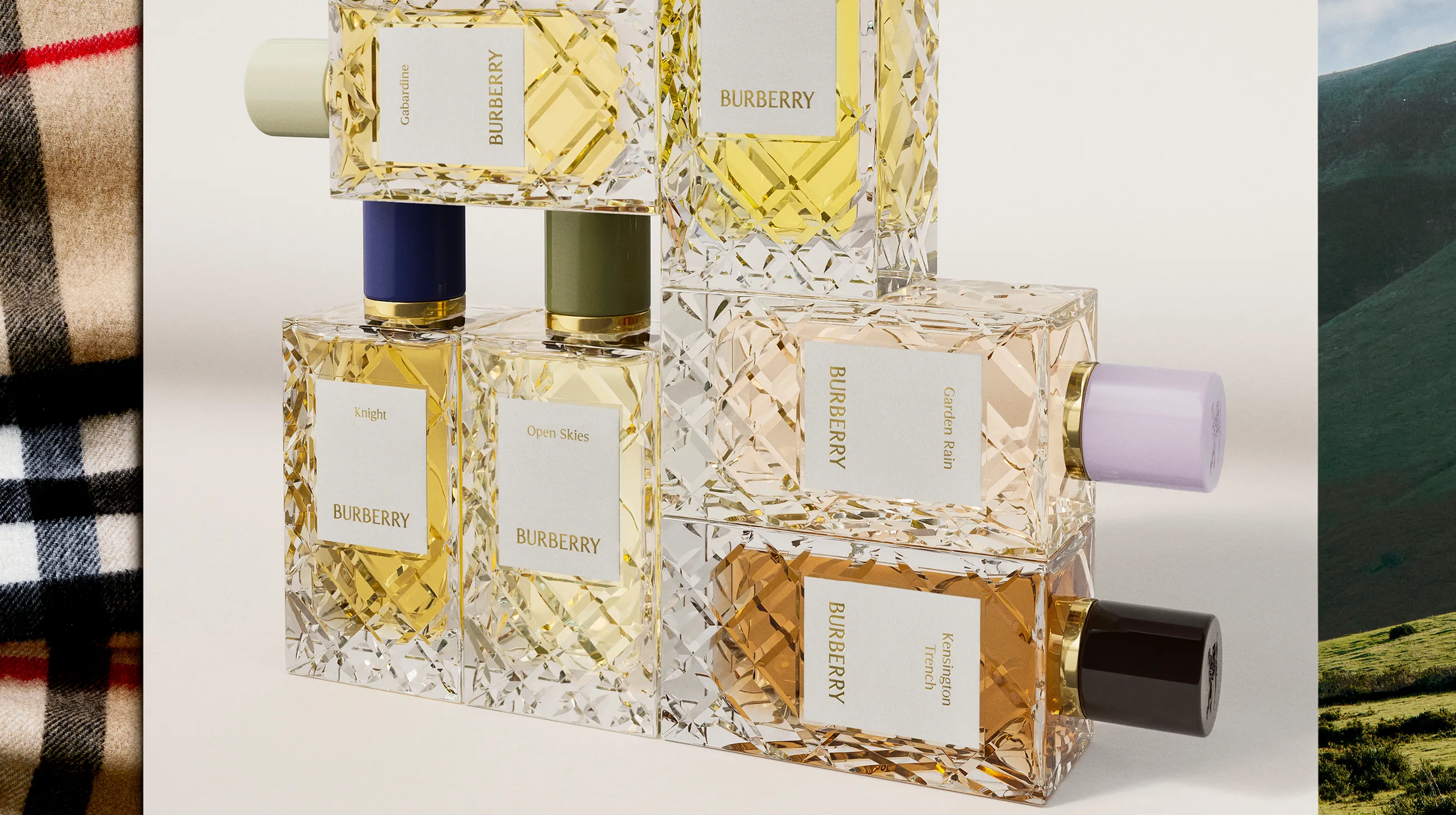
# Burberry Steps Into Ultra-Luxury Fragrance With Prorsum Launch
Burberry enters the prestige fragrance arena with Prorsum, a new collection positioning the British heritage brand at the top tier of the scent market. The eaux de parfum line represents the house's most luxurious olfactory offering to date, signaling a strategic shift toward higher price points and refined positioning.
The Prorsum collection marks Burberry's answer to the ultra-premium fragrance segment, where brands like Tom Ford Private Blend, Creed, and Hermès command substantial price premiums. Rather than compete in the mass-prestige space where Burberry has traditionally operated, the brand now targets collectors and fragrance connoisseurs willing to spend significantly for exclusivity and artisanal quality.
Eau de parfum formulations contain 15-20 percent fragrance concentration, delivering stronger performance and longevity than the eau de toilette concentrations typical in mainstream releases. This format choice alone signals Burberry's intent to emphasize substance over volume. The brand has invested in scent construction that justifies elevated pricing through ingredient selection and perfumer expertise.
The collection arrives as luxury fragrance houses increasingly segment their portfolios across multiple tiers. LVMH-owned Celine launched La Collection Privée in 2022. Guerlain introduced L'Art et la Matière in 2023. These moves reflect consumer appetite for ultra-premium options within established brands rather than exclusively through niche perfumeries. Burberry follows this profitable pattern.
Heritage and British identity likely anchor the Prorsum narrative. The name itself evokes exclusivity and craftsmanship, positioning scents as extensions of Burberry's runway collections and archives rather than diffusion products. This storytelling approach justifies premium pricing by connecting fragrance to the brand's broader luxury ecosystem.
The launch carries strategic timing. Fashion fragrance often underperforms during economic uncertainty as consumers prioritize essential purchases. However, ultra-premium fragrance remains resilient because it targets high-net-worth individuals less affected by economic cycles. Burberry's shift upmarket insulates the category from mass-market volatility.
This move also reflects fragrance market consolidation at the luxury level. Independent niche brands face margin pressure from conglomerates that can absorb lower returns across portfolio brands. Established names like Burberry possess existing customer loyalty and distribution advantages that allow them to command higher prices than newcomers.
Distribution channels will prove decisive. Burberry typically leverages its own retail network alongside Sephora and department stores. For Prorsum, the brand may limit availability to flagship stores and select luxury retailers, enhancing perception of exclusivity. This gatekeeping strategy typically increases perceived value and maintains brand prestige.
The Prorsum collection demonstrates how heritage brands leverage brand equity to move upstream. Rather than launch entirely new brands at luxury price points, Burberry extends its existing name recognition into categories where consumers already associate the label with quality and desirability. This approach requires minimal marketing spend while commanding price premiums unavailable to unproven brands.
Consumer response will indicate whether Burberry's fragrance customers follow the brand into ultra-premium territory or seek alternatives at lower price points. Success depends on whether Prorsum fragrances deliver demonstrable quality differences, not merely brand markup. Perfume enthusiasts evaluate longevity, projection, composition complexity, and ingredient sourcing before justifying luxury spending.