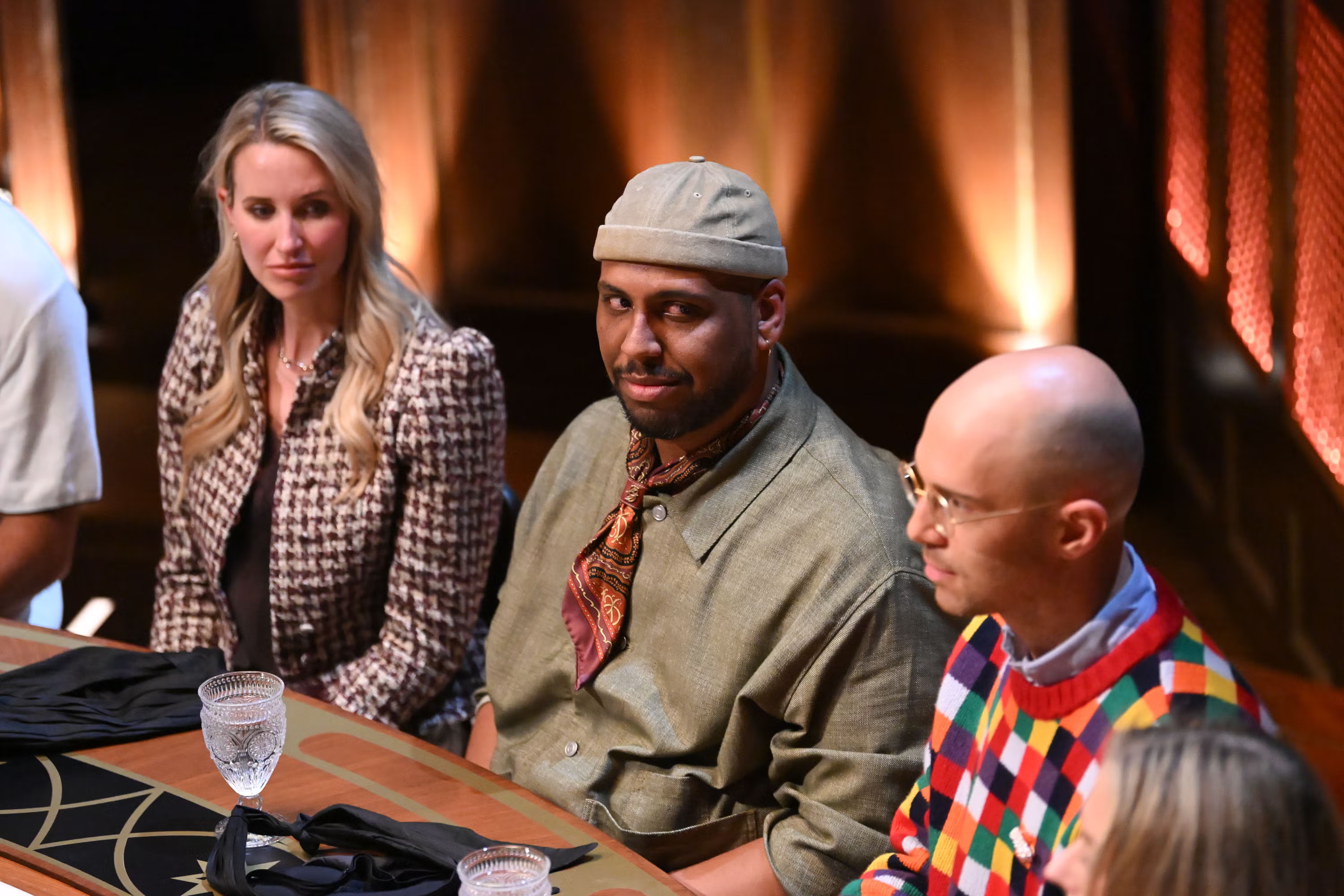
# The Traitors: New Blood Casts Civilians Over Reality TV Stars—Here's Who Made the Cut
Cosmopolitan has revealed the all-civilian cast of "The Traitors: New Blood," marking a deliberate shift away from reality television veterans toward everyday professionals with no prior competition show experience.
The cast includes an astrophysicist, a barrel racer, and a funeral director among its ranks. This approach differs sharply from previous seasons of "The Traitors," which traditionally featured recognizable faces from dating shows, survival competitions, and social media platforms. The network's decision to recruit civilians signals a reset for the franchise, prioritizing authentic player dynamics over existing fan bases and pre-built followings.
The inclusion of unconventional professionals reflects a broader streaming trend. Networks now believe viewers crave unpredictable gameplay from people without strategic television experience. An astrophysicist brings analytical thinking to social deduction puzzles. A barrel racer brings discipline and endurance. A funeral director brings emotional intelligence and the ability to read people under pressure. These skill sets don't translate directly from reality TV playbooks.
This casting philosophy mirrors what worked for "Love is Blind: Germany" and international versions of competition formats. By removing the "celebrity" element, producers strip away the performative layers that often dominate entertainment television. Players cannot lean on existing personal brands or algorithmic popularity.
The all-civilian approach also addresses a practical concern: fatigue. Reality television audiences have grown skeptical of recycled contestants who appear across multiple franchises within a single television season. A funeral director and an astrophysicist won't have that baggage.
"The Traitors" format itself depends on betrayal, trust, and deception. These psychological elements intensify when players interact as relative strangers rather than as people who recognize each other from previous seasons. The randomness of civilian casting forces genuine first impressions and authentic alliance-building.
However, this strategy carries risk. Reality television veterans understand editing patterns, confessional beats, and how to maintain screen time. Civilians may lack the self-awareness to recognize when they're being set up as villains or heroes by producers. This unpredictability cuts both ways. It creates genuine television moments. It also means some players may fail to engage audiences who prefer polished, media-savvy competitors.
The funeral director angle holds particular interest. Death professionals operate in industries requiring extreme tact, emotional regulation, and the ability to convince grieving families to trust them with major decisions. Those skills directly translate to "Traitors" gameplay, where players must convince others they're truthworthy while potentially working against them.
The barrel racer's presence introduces a regional, non-coastal American perspective rarely centered in streaming competition television. The astrophysicist adds intellectual prestige and someone trained to think systematically about probabilities and patterns.
Production teams will track eliminations as the season progresses. Civilian casts typically produce different elimination patterns than celebrity versions. Without pre-existing alliances or parasocial relationships with audiences, voting becomes less predictable. Players vote based purely on gameplay perception, suspicion, and personal chemistry built during the competition.
This casting choice represents a calculated bet that authenticity outperforms recognition. Whether viewers accept a "Traitors" season built on civilians rather than influencers and reality stars will determine whether this becomes the franchise standard or a one-season experiment.