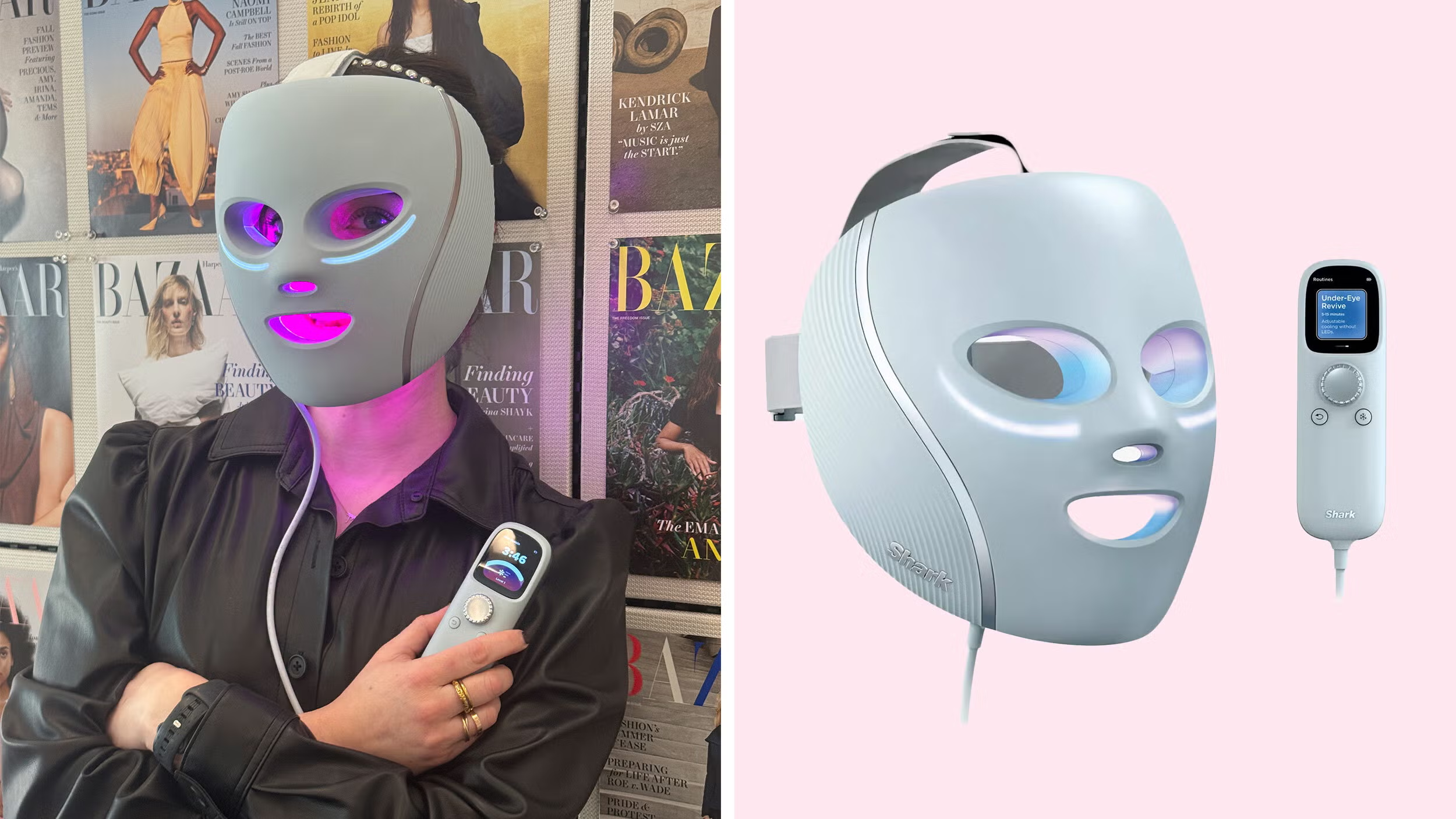
Shark's CryoGlow LED face mask enters a crowded market of light therapy devices, but distinguishes itself through an integrated cooling function that addresses a specific skin concern: puffiness. The mask combines LED light therapy technology with cryotherapy principles, offering dual benefits in a single product.
LED face masks remain popular in the beauty and wellness space, with multiple brands competing for shelf space. Market leaders like Theraface, Project E Beauty, and Neutrogena have established their positions, but innovation continues to drive new entrants. Shark's entry suggests the market still sees room for differentiated approaches, particularly ones that combine multiple technologies.
The cooling element addresses a real dermatological need. Puffiness results from fluid accumulation and inflammation, and cold temperatures trigger vasoconstriction, reducing swelling temporarily. When layered with LED light therapy, which research shows can support skin healing and reduce inflammation through different mechanisms, the combination offers theoretical synergy. Red and near-infrared light wavelengths have the most established evidence for anti-inflammatory and collagen-stimulating benefits, though study quality varies considerably across the light therapy device market.
The reviewer's experience matters here. After testing dozens of masks, their preference for Shark's CryoGlow over competitors suggests the execution works. Product design, temperature consistency, light intensity, and ease of use often differentiate mediocre devices from effective ones. A poorly designed mask can overheat, deliver uneven light distribution, or require awkward positioning that limits actual facial contact.
Price positioning shapes the conversation around value. LED masks range from under $50 to over $400, with premium brands like Dr. Dennis Gross and NuFace commanding higher prices. Mid-range options around $150-250 have become increasingly competitive. Shark's position in this spectrum determines whether the dual cooling and LED features justify the investment compared to single-function alternatives.
Realistic expectations matter. No mask reverses aging overnight or replaces consistent sunscreen use, retinoids, and moisturizer. LED devices work best as additions to established skincare routines, not replacements. Results compound over weeks and months with consistent use. Clinical studies supporting LED masks typically involve multiple weekly sessions over 4-12 weeks.
The cooling function adds a practical advantage beyond aesthetics. Many users appreciate the soothing sensation, which can make the mask feel more like a spa treatment than a clinical device. This psychological component influences compliance, and consistent use determines results. A mask that feels pleasant gets used more frequently.
Shark's entry into beauty devices follows the brand's expansion beyond their core small appliance business. This diversification strategy positions them alongside brands like Dyson, which also built beauty products on precision engineering foundations. Consumer trust in the parent brand can transfer to new categories, influencing purchase decisions.
Whether Shark's CryoGlow deserves the investment depends on individual priorities. For someone seeking puffiness relief combined with light therapy benefits, the dual functionality justifies consideration against single-function alternatives. For those focused purely on anti-aging or acne treatment, a dedicated LED mask from an established skincare-focused brand might offer better value. The reviewer's enthusiasm suggests product execution matches concept, which many light therapy devices fail to achieve.