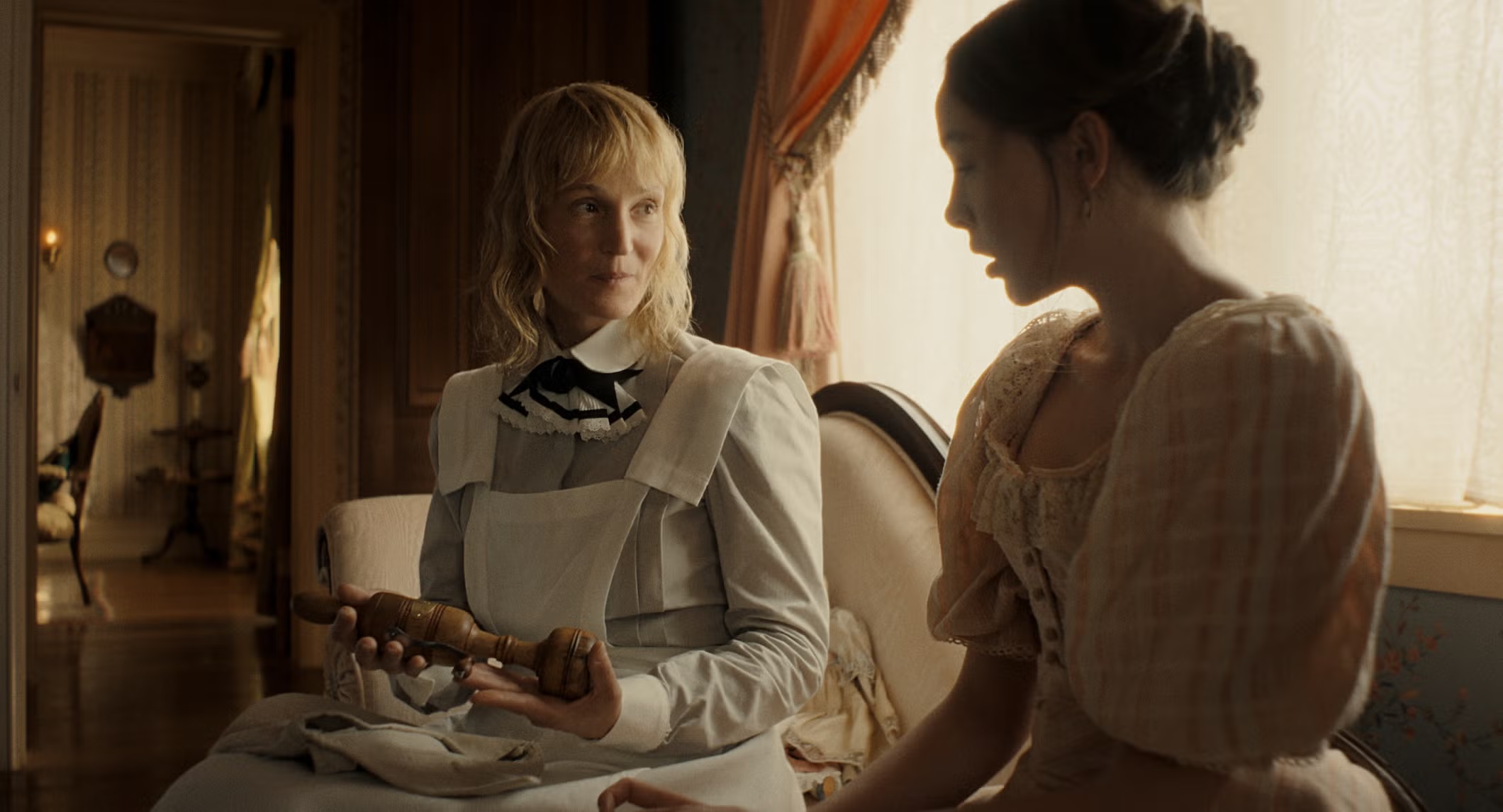
# The Unexpected History of 19th Century Intimate Devices Emerging in Ryan Murphy's Latest Series
Ryan Murphy's newest Monster season drops unexpected historical detail about Victorian-era sexual wellness tools, sparking curiosity among viewers unfamiliar with these mechanical contraptions. The series references two devices in particular: the veedee vibrator and the Chattanooga, both steam-powered machines that emerged during the 1800s when vibration therapy occupied a legitimate (if peculiar) space in medical practice.
The veedee vibrator and Chattanooga represent a bizarre intersection of medical innovation and intimate wellness. These devices were marketed to women during the 19th century as therapeutic tools for treating "hysteria," a catch-all diagnosis physicians applied to women experiencing anxiety, insomnia, or general discontent. Doctors prescribed vibration therapy as a legitimate treatment, and manufacturers capitalized on this medical sanction by creating increasingly sophisticated machines. The steam-powered versions required actual fuel and effort to operate, a far cry from today's rechargeable silicone designs.
Historical records show these contraptions sold briskly during the late 1800s. Medical journals published earnest accounts of their benefits. Patents proliferated. What's striking is how openly they were advertised in mainstream publications, including ladies' magazines. The devices existed in a strange gray zone where medical respectability masked their actual function. Manufacturers could promote them as health tools without explicitly acknowledging their intimate applications.
The Lizzie Borden angle matters here. Murphy's series focuses on the 1892 axe murders in Fall River, Massachusetts, a case steeped in period detail. Borden lived during peak vibrator popularity among wealthy women who could afford such devices. Including these machines in the production design anchors the story in authentic 1890s domesticity. It's the kind of historical specificity that separates Murphy's work from generic period drama.
What makes this particularly interesting for beauty and wellness consumers today is the reminder that intimate health innovation has a much longer history than many assume. The vibrator actually predates the electric lightbulb as a domestic appliance. Electricity powered earlier models before steam technology. The cultural amnesia around these devices stems largely from the sexual revolution and subsequent shifts in how society discusses women's pleasure and wellness. Victorian propriety created the coded language. Modern shame often sustains the silence.
The revival of interest in vibration therapy also appears in contemporary skincare and wellness. Facial vibration devices market themselves on lymphatic drainage and collagen stimulation. Massage guns dominate fitness spaces. The underlying principle remains unchanged from the 1800s: vibration produces measurable physical effects. The difference is transparency. Modern brands openly discuss functionality rather than hiding behind medical jargon.
For viewers of Monster who've never encountered these historical devices, the mention serves as a small gateway into understanding how women navigated wellness and pleasure within rigid Victorian constraints. The appearance of a steam-powered veedee vibrator isn't gratuitous detail. It's period-accurate storytelling that reflects how ordinary these innovations were for women at the time, at least among those with disposable income.
Murphy's attention to these forgotten technologies demonstrates how production design shapes historical narrative. One small prop quietly rewrites assumptions about what women in 1892 America actually had access to and how openly manufacturers operated within societal boundaries that supposedly suppressed such topics entirely.