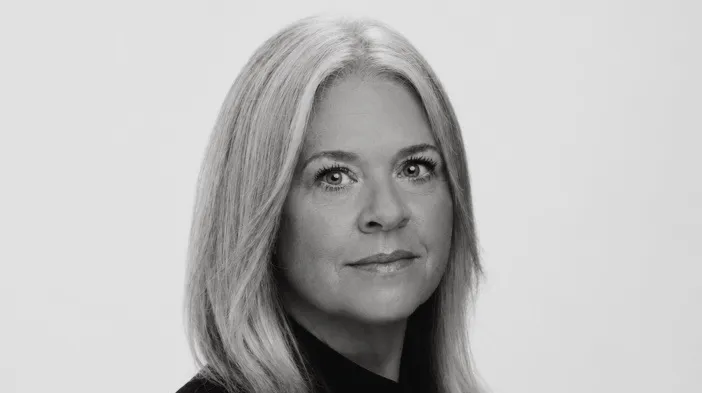
Tricia Butler's election as board chair of The Fragrance Foundation, effective immediately, represents a significant moment for an industry that has long thrived on exclusivity and carefully guarded secrets. As president of North America at Givenchy & Kenzo Parfums under LVMH Fragrance Brands, Butler brings formidable credentials to her three-year term through December 2029. Yet her ascent to lead the foundation should signal a turning point: the fragrance industry must begin demystifying itself for the consumers who sustain it.
Butler succeeds Jerry Vittoria, who led the foundation since 2016 as global fine fragrance president at Dsm-firmenich. The transition represents continuity within the industry's upper echelons, with Butler having already served on the board's executive committee since 2021. Linda G. Levy, president of The Fragrance Foundation, praised Butler as someone who "leads by example" and shows up as a "valued member of TFF who is deeply involved in our initiatives." These are commendable qualities, but they describe competence rather than transformation.
Butler herself stated her intention to "guide the path of TFF toward the possibilities of what we can achieve together by collaborating creatively and strategically as a united industry, making TFF the go-to authority for all things fragrance." This language echoes the industry's long-standing approach: positioning itself as the definitive source while maintaining opacity about formulations, ingredient sourcing, and pricing structures that consumers increasingly question. For an authority to be credible, it must be transparent.
The fragrance industry faces mounting scrutiny from conscious consumers demanding to know what they're spraying on their skin and paying premium prices to acquire. Butler's leadership provides an opportunity to position The Fragrance Foundation as genuinely responsive to these concerns. This could mean advocating for clearer ingredient labeling, supporting research into fragrance safety, and facilitating honest conversations about sustainability in production and packaging.
Butler's statement that she looks "forward to working with the TFF team, the board and our membership to continue to advance the fragrance industry and the love of fragrance" suggests a commitment to industry growth. That's appropriate. But advancing the industry and serving consumers aren't mutually exclusive—they're interdependent. A foundation led by someone willing to champion consumer education alongside industry interests could transform how fragrance operates in the American market.
Butler's appointment is not cause for concern; her record suggests capable stewardship. But it is cause for expectation. The fragrance industry's mystique has served it well, but the era of unquestioned authority is ending. Under Butler's leadership through December 2029, The Fragrance Foundation has the chance to lead rather than resist that shift.