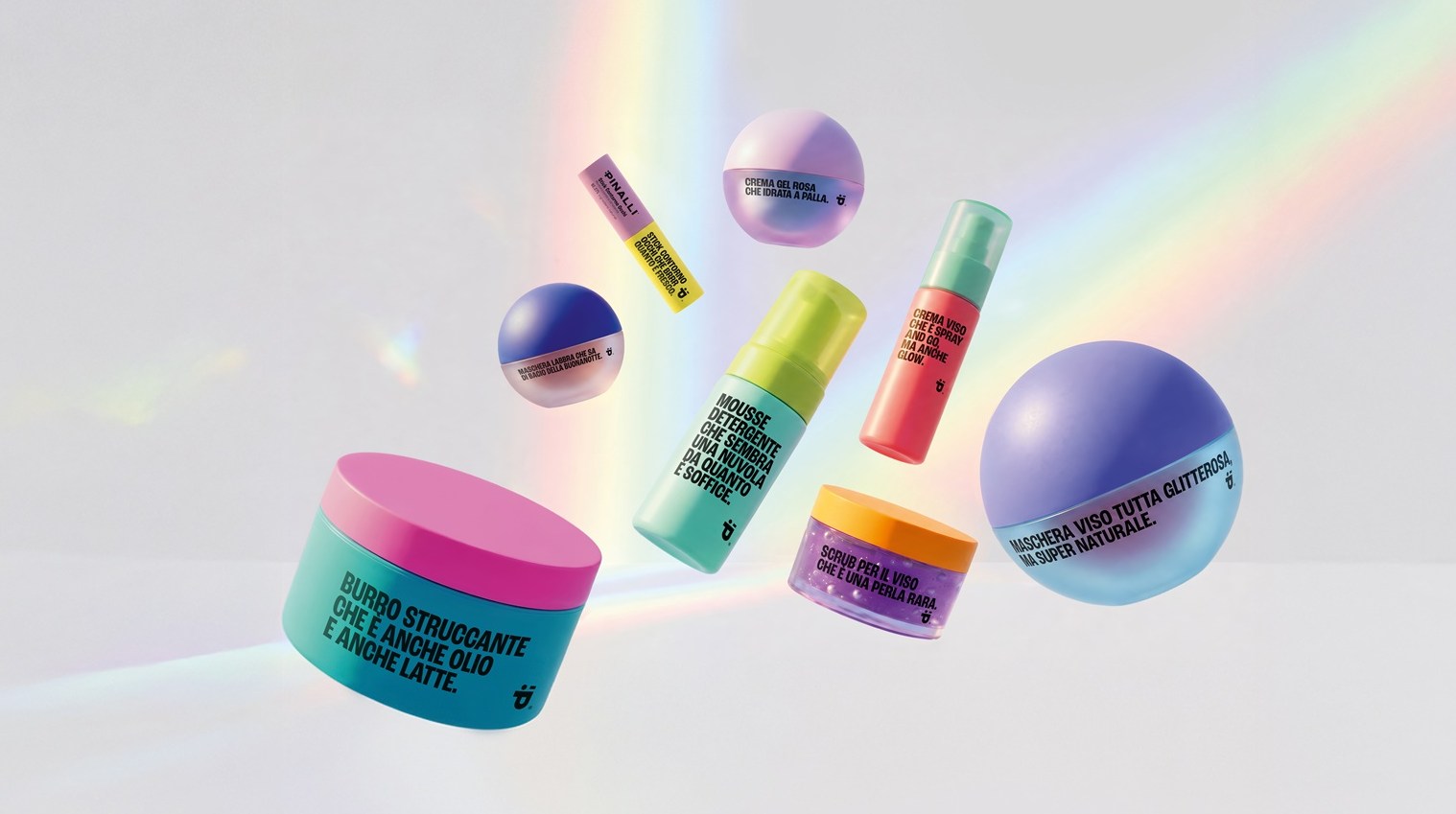
Borletti Group, the Milan-based holding company behind luxury retail operations, has acquired Pinalli, signaling a consolidation play in Italy's fragmented beauty retail landscape. The move brings under one roof a network that spans over 100 stores and a developing private label business that contributed meaningfully to Pinalli's approximately 200 million euros in annual revenues.
Pinalli operates as a beauty specialist retailer across Italy, positioning itself as a multi-brand destination for skincare, cosmetics, and fragrance. The company built its footprint through a combination of flagship locations in major cities and neighborhood stores that serve regional markets. This geographic spread matters. Italy's beauty market remains heavily influenced by independent and regional players, making Pinalli's scale a valuable asset for consolidation.
The acquisition reflects Borletti Group's strategy to expand beyond its core luxury department store operations. Borletti already operates La Rinascente, Italy's premier luxury department store, and has invested in modernizing its retail infrastructure and digital capabilities. Adding Pinalli gives Borletti direct control over a beauty-focused retail channel with its own brand architecture and customer relationships.
Private label products represent the growth engine here. Pinalli's own-brand offerings allow higher margins than pure multi-brand retail, and they create customer loyalty that transcends individual product categories. Building proprietary skincare, makeup, and fragrance lines requires less capital intensity than acquiring established international brands, making it a logical expansion vector. The 200 million euro revenue base suggests this private label business already carries meaningful weight, likely accounting for 15 to 25 percent of total sales based on typical retail margins.
The Italian beauty market operates differently than northern Europe or the United States. Consumers rely heavily on specialist beauty retailers and pharmacies rather than department stores for skincare and color cosmetics. Dermatological products, in particular, flow through pharmacies and specialized beauty shops. Pinalli's positioning within this ecosystem gives Borletti access to customer segments that may not overlap entirely with La Rinascente shoppers.
For Borletti, the deal accomplishes several objectives at once. It diversifies revenue beyond department store operations at a time when traditional retail faces structural headwinds. It provides a platform to test and scale private label products that could eventually feed into La Rinascente and other Borletti properties. It adds operational complexity but also profitability through a business generating 200 million euros annually.
The transaction also represents a broader trend in European retail. Family-owned, regional beauty chains increasingly face pressure to consolidate or sell. Rising rents, labor costs, and the shift toward omnichannel retail require capital that many independent operators lack. Borletti possesses the balance sheet and operational expertise to invest in store modernization, digital integration, and supply chain optimization at a scale that benefits Pinalli's existing business.
Integration will test Borletti's execution. Pinalli operates with its own management structure, brand positioning, and customer relationships. The acquirer must preserve what works while applying operational leverage. Poorly executed integration destroys value faster than good strategy creates it in retail. Borletti's experience with La Rinascente provides some playbook, though beauty retail operates under different economics and competitive dynamics than luxury department stores.