# Clinical Beauty Brands Dominate Amazon's August Rankings
The shift toward clinically-formulated skincare and haircare continues to accelerate on Amazon, where ingredient-focused brands now command the platform's top positions. This trend reflects a broader consumer pivot away from prestige marketing toward products backed by recognizable active compounds and efficacy data.
Amazon's August rankings reveal that performance-based beauty wins over brand cachet on the world's largest e-commerce platform. Customers shopping on Amazon prioritize transparency around ingredients like niacinamide, hyaluronic acid, retinol, and peptides. They read ingredient lists before making purchases. They compare product specifications the way they would electronics. This behavior has rewired which brands thrive on the site.
Clinical brands succeed on Amazon for specific reasons. They typically offer direct-to-consumer or brand-authorized pricing without the markup consumers encounter at department store counters. Product descriptions feature clinical language and sometimes cite studies or dermatologist recommendations. Reviews accumulate rapidly because customers seek validation before buying unfamiliar formulations. The platform rewards transparency, and clinical brands deliver it.
The dominance of these ingredient-driven players also reflects Amazon's algorithm favoring products with consistent sales velocity and positive review velocity. Brands that can explain what their products do, how they work, and why the formulation matters tend to outpace luxury competitors relying on heritage storytelling or influencer endorsement alone.
Several factors drive this shift. First, the pandemic accelerated online shopping and normalized buying skincare without in-store consultation. Second, Gen Z consumers entering peak beauty spending years grew up reading ingredient decks online. They trust research over advertising. Third, clinical brands often price lower than prestige equivalents, which matters on a platform where price comparison is instant.
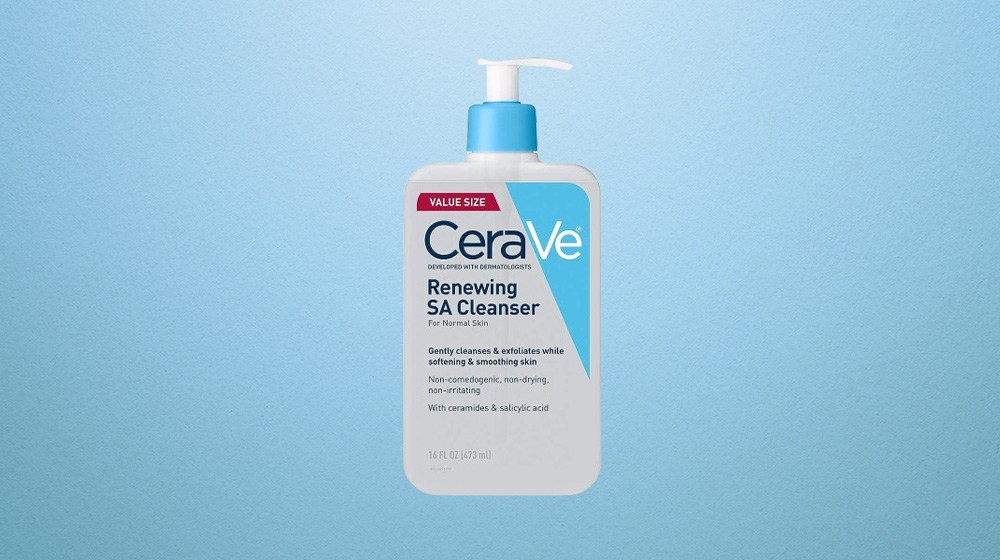
The Amazon beauty category has matured enough that customers now recognize brand names once relegated to dermatologists' offices or niche online communities. Brands like The Ordinary, CeraVe, and Cetaphil built loyal audiences through clinical positioning, then scaled on Amazon's infrastructure. Their success created a template other founders copied.
This does not mean prestige beauty has abandoned Amazon. Rather, the platform now stratifies differently than traditional retail. Luxury brands compete on Amazon alongside clinical players, but they do so in separate customer mindsets. A shopper buying Estee Lauder typically knows what they want already. A shopper browsing skincare ingredients might discover The Ordinary and never look back.
The August rankings matter because they predict what consumers will see, buy, and recommend over the next quarter. Top-ranked products gain visibility in search results, appear in recommendation widgets, and accumulate social proof through reviews. This visibility compounds, making early ranking position a significant competitive advantage.
What happens next matters for the broader beauty industry. If clinical brands continue dominating Amazon, established prestige players may shift strategy to emphasize ingredient benefits over brand narrative. Alternatively, they may cede Amazon leadership to specialized clinical competitors while protecting prestige positioning at Sephora and department stores. Either way, the consumer expectation for ingredient transparency and efficacy claims only increases from here.