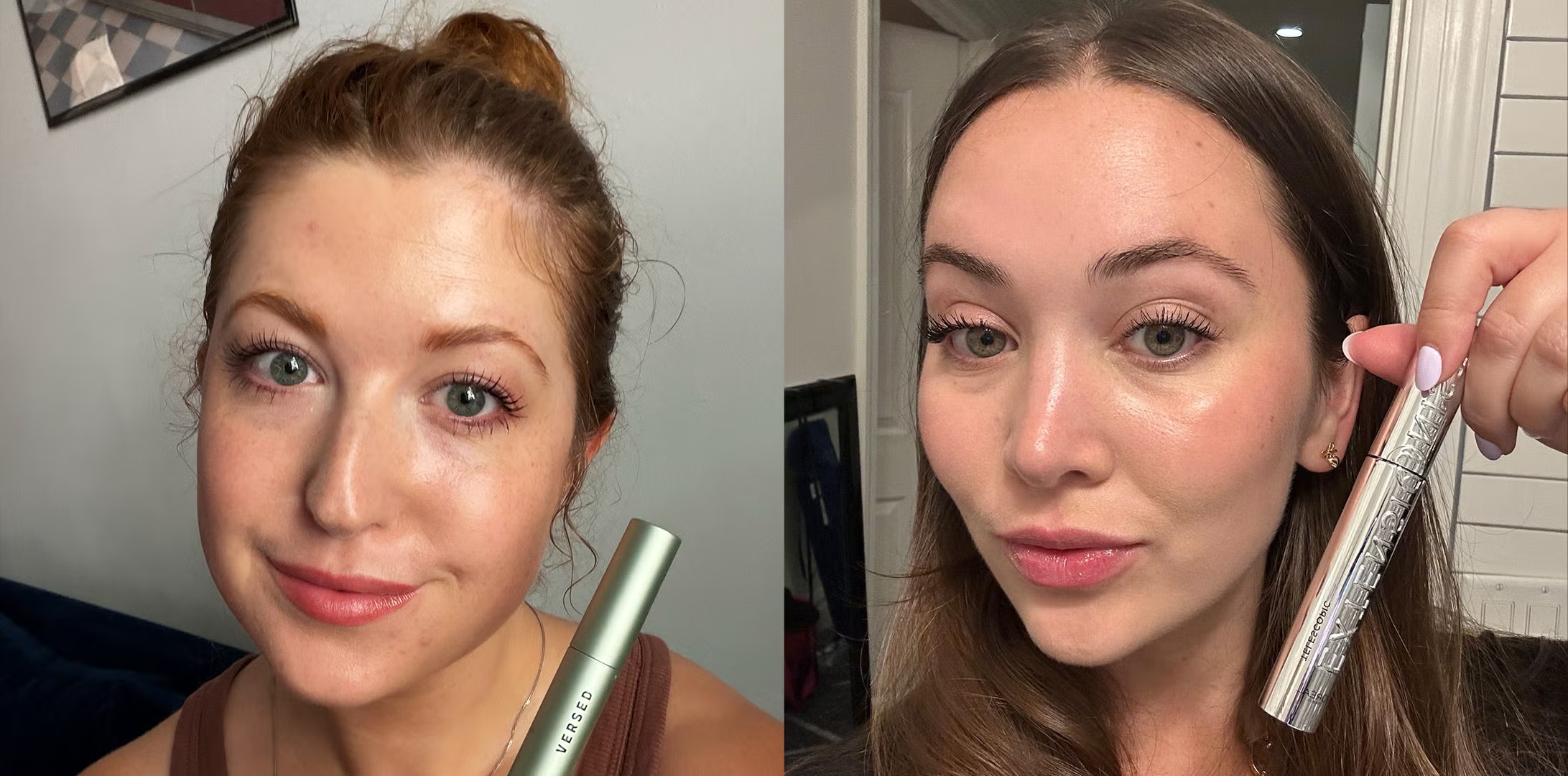
# The Drugstore Mascara Revolution: Professional Results Without the Price Tag
The mascara aisle at your local pharmacy holds more power than you might think. A growing wave of beauty enthusiasts has abandoned luxury mascaras in favor of budget-friendly alternatives that deliver volumized, lengthened lashes without the designer price point. This shift reflects a broader trend in cosmetics where performance matters more than brand prestige.
Drugstore mascaras have evolved dramatically over the past five years. Formulations now rival their high-end counterparts in fiber technology, brush design, and staying power. The best performers deliver dramatic volume, separation, and length that create a falsie-level effect without the commitment of actual false lashes. This accessibility has democratized lash enhancement in a way that luxury brands never intended.
The economics are straightforward. A premium mascara from brands like Tom Ford or Charlotte Tilbury costs between 30 and 50 dollars. A quality drugstore option runs 5 to 12 dollars. For a product most people replace every three months due to bacterial growth and formula drying out, the math favors the affordable route. You could purchase four to eight drugstore mascaras in the time it takes to buy one luxury formula.
What makes budget mascaras perform so well now comes down to ingredient innovation. Brands formulating at this price point use polymer technology, waxes, and pigments that coat each lash fiber effectively. The wand matters equally. Spiral brushes, curved bristles, and precision combs have become standard even in the drugstore category. These tools work with the formula to separate, lengthen, and volumize simultaneously.
The psychology of mascara purchasing has shifted too. Consumers test products before committing, read ingredient lists, and compare formulations across price points. Social media reviews from real users carry more weight than celebrity endorsements. A mascara working beautifully for a TikTok creator at seven dollars generates more credibility than a glossy ad featuring a model in professional lighting.
This doesn't mean all drugstore mascaras perform identically. The range spans from basic, functional formulas to genuinely innovative products. Some excel at length. Others prioritize volume. A few manage both. The key involves matching your specific lash needs to the right formula and wand combination.
The shift also reflects changing consumer values around sustainability and spending. Replacing a 10-dollar mascara guilt-free every quarter feels more acceptable than tossing a 45-dollar tube. Budget-conscious beauty enthusiasts have also realized that high price tags don't guarantee quality. Luxury marketing creates perception, but performance speaks louder.
For makeup artists, hairstylists, and beauty professionals, drugstore mascaras offer practical advantages. They enable buying backup products without major expense, experimenting with different formulas, and recommending affordable solutions to clients on any budget.
The mascara market continues evolving. New fiber technologies, waterproof formulations, and conditioning treatments appear across all price points. Yet the gap between drugstore and luxury keeps narrowing. As one beauty editor noted, there's simply no reason to spend premium prices when affordable alternatives deliver comparable results. The mascara aisle has become proof that in beauty, smarter shopping beats bigger budgets.