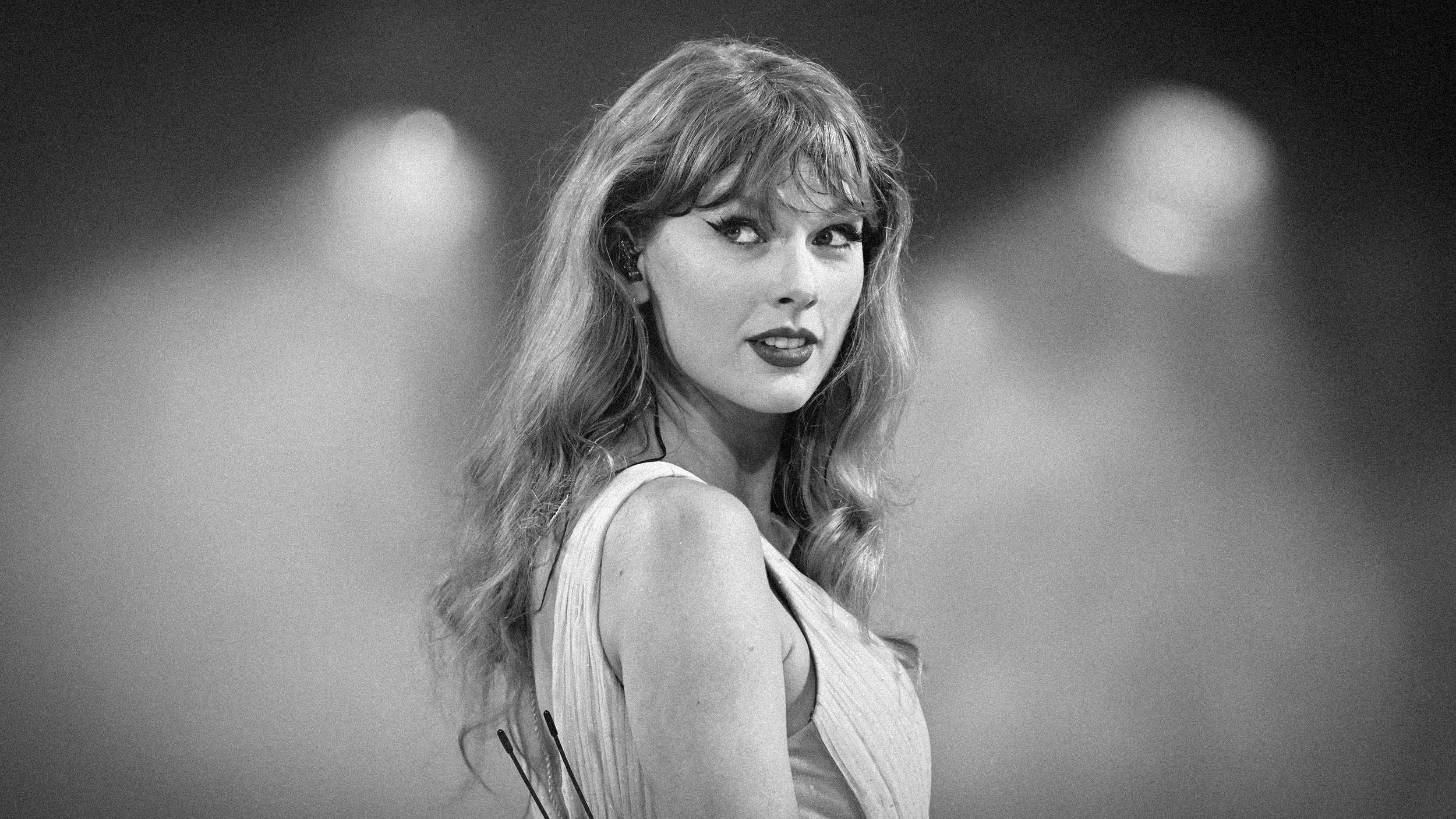
# Taylor Swift's Latest Makeup Move Signals a Shift Away From Millennial Beauty Staples
Taylor Swift has publicly moved away from the cat-eye liner, a defining makeup look for her generation. The shift arrives alongside her new single "Patient Zero," marking a departure from beauty trends that dominated the 2010s.
The cat-eye, characterized by a sharp flick extending upward at the outer corner of the eye, became synonymous with millennial beauty culture. Swift herself wore the look repeatedly throughout the 2010s, making it a signature part of her public image. The elongated liner paired well with bold lips and dramatic eye makeup that defined the era's approach to glamour.
Swift's pivot away from this aesthetic reflects broader changes in beauty preferences. Gen Z audiences have increasingly rejected hyper-polished looks in favor of softer, more textured approaches. The rise of "clean girl" aesthetics, minimal makeup, and blurred eyelines has reshaped what counts as beautiful on social media and red carpets alike.
The timing of this announcement matters. Swift's influence on beauty trends cannot be overstated. Her makeup choices have historically driven product sales and searches, influencing makeup artists and consumers worldwide. When she shifts her look, the beauty industry takes notice. Brands profit from Swift-inspired tutorials, and makeup artists study her choices frame by frame.
"Patient Zero" as a single title paired with this makeup evolution suggests intentionality. Swift often uses visual aesthetics to support her musical narratives. The move away from a distinctly 2010s beauty signature aligns with her evolving artistic identity and the cultural moment she occupies.
The broader implication extends beyond one artist's preferences. Swift's abandonment of the cat-eye signals the official end of peak millennial beauty dominance. The aesthetic that defined Instagram makeup tutorials, beauty YouTube channels, and countless beauty counters has aged out of mainstream relevance. What once felt edgy and modern now reads as dated.
This doesn't mean cat-eyes disappear entirely. They persist in runway shows, editorial work, and among makeup enthusiasts who love the technique. But as a culturally dominant trend, the look has lost its grip on aspirational beauty discourse.
The shift also reflects generational turnover in beauty influence. Gen Z creators and celebrities now set the tone. Their preferences lean toward dewy skin, neutral tones, and natural-looking brows. Heavy eyeliner feels too constructed, too attached to a specific era. Swift, who bridges millennials and Gen Z audiences, positions herself closer to emerging preferences.
For the beauty industry, this matters commercially. Eyeshadow palettes with warm tones and matte finishes may see sales increases. Liquid liners in dramatic shades face potential decline. Beauty brands already track these shifts, adjusting product development and marketing accordingly.
Swift's willingness to publicly step away from her signature look demonstrates confidence in her evolving image. She does not cling to the aesthetics that made her famous. Instead, she moves forward alongside her audience and the culture at large.