# Sound Machines and Sensory Wellness: Why Beauty and Wellness Media Are Covering Sleep Tech
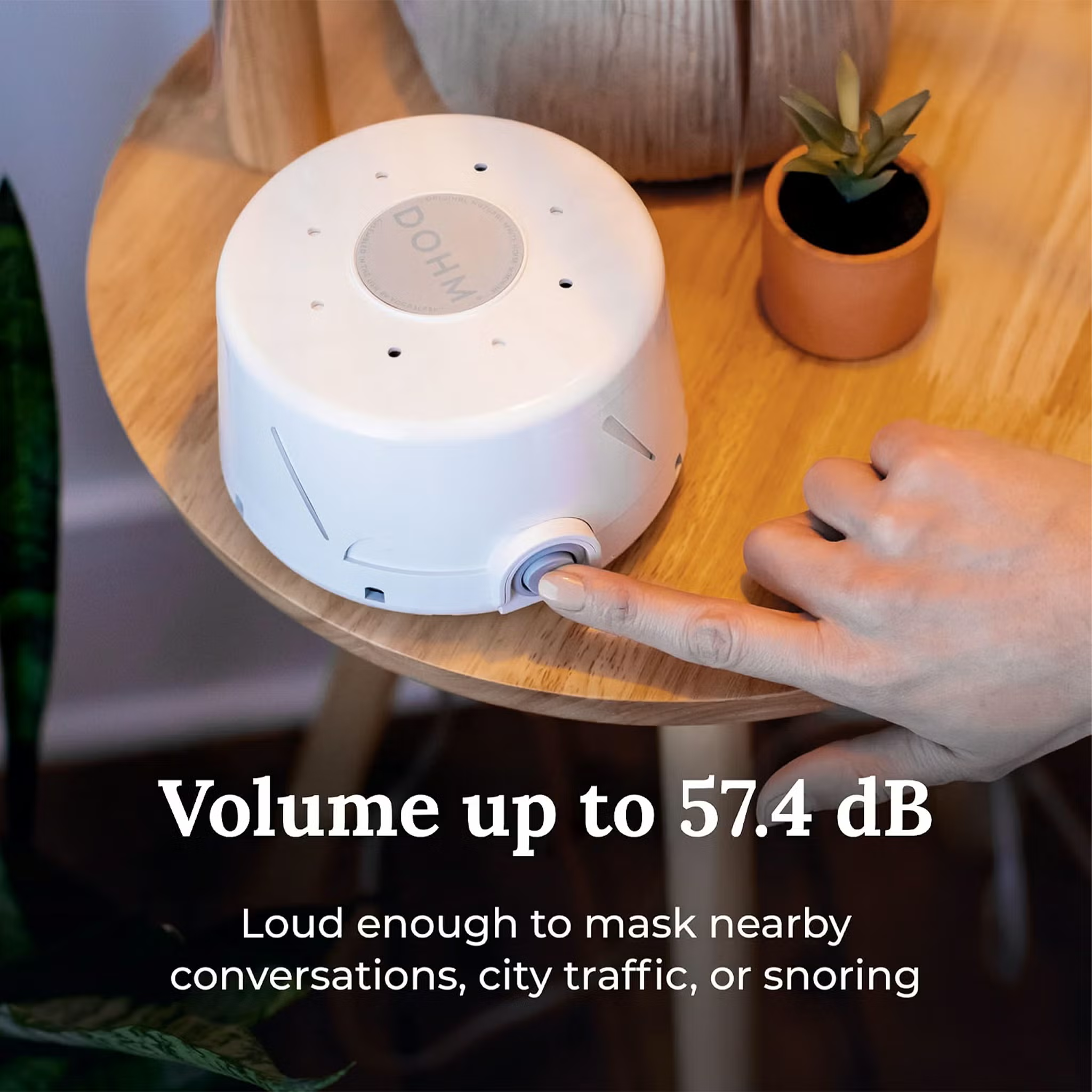
A Cosmopolitan feature exploring a classic sound machine's role in managing sensory sensitivity reveals a growing intersection between personal wellness and beauty content. The piece centers on how neurodivergent individuals, particularly those with ADHD or autism, experience heightened auditory perception, and how ambient noise solutions support better sleep and focus.
The article's framing matters. Beauty and lifestyle publications increasingly recognize that skincare routines, makeup application, and grooming practices depend on foundational wellness. Sleep quality directly impacts skin health, complexion clarity, and the body's ability to repair itself overnight. When sensory overwhelm prevents quality rest, visible consequences follow: dark circles, dull skin texture, and weakened skin barrier function.
Sound machines represent analog technology at a moment when digital saturation dominates wellness conversations. The piece emphasizes "analog tech at its finest," positioning simple, mechanical solutions as superior to app-based alternatives. This reflects a broader consumer skepticism toward smartphone-dependent wellness products that require constant charging, notification management, and screen time before bed. A physical device that produces white noise without Wi-Fi connectivity appeals to people managing sensory load.
Neurodivergent individuals face distinct beauty and wellness challenges that mainstream media rarely addresses. Sensory sensitivities affect product selection, application methods, and tolerance for fragranced skincare. Someone highly attuned to sound frequencies may equally struggle with strong fragrance notes or textural experiences in beauty products. Acknowledging these realities in lifestyle coverage validates a significant reader demographic.
The targeting of this story reveals Cosmopolitan's audience shift. Readers interested in neurodivergence, sensory health, and honest wellness conversations represent younger demographics familiar with ADHD and autism diagnoses. This audience demands practical solutions over aspirational marketing. They research ingredients, avoid overmarketed trends, and appreciate when publications acknowledge that beauty and wellness look different for different brains.
Sound machine recommendations often appear alongside sleep hygiene content, but positioning them within sensory wellness expands their relevance. Better sleep supports healthier skin. Reduced anxiety from noise management means less cortisol, which benefits skin barrier function. Improved focus and mood from sensory accommodation makes self-care routines feel less like forced discipline and more like genuine care.
The piece's emphasis on "OG" technology suggests nostalgia for pre-smartphone solutions. Generations now reaching peak consumer spending grew up with basic white noise machines. Reintroducing them positions vintage-style products as trustworthy alternatives to contemporary tech solutions saturated with algorithmic recommendations and data collection concerns.
For beauty and wellness readers, the takeaway centers on personalization. Not every sensory experience suits every person. Someone's ideal sleep environment involves specific sound frequencies, darkness levels, and environmental factors. Similarly, skincare routines must account for sensory sensitivities. Fragrance-free moisturizers, minimal-texture serums, and unscented sunscreens serve readers who experience fragrance as overwhelming rather than pleasant.
This coverage reflects media evolution beyond traditional beauty content. Wellness, neurodiversity, sensory health, and sleep science now sit at beauty's center because they directly impact how skin, hair, and nails function. Publications acknowledging this shift serve readers better than outlets treating beauty as purely aesthetic.