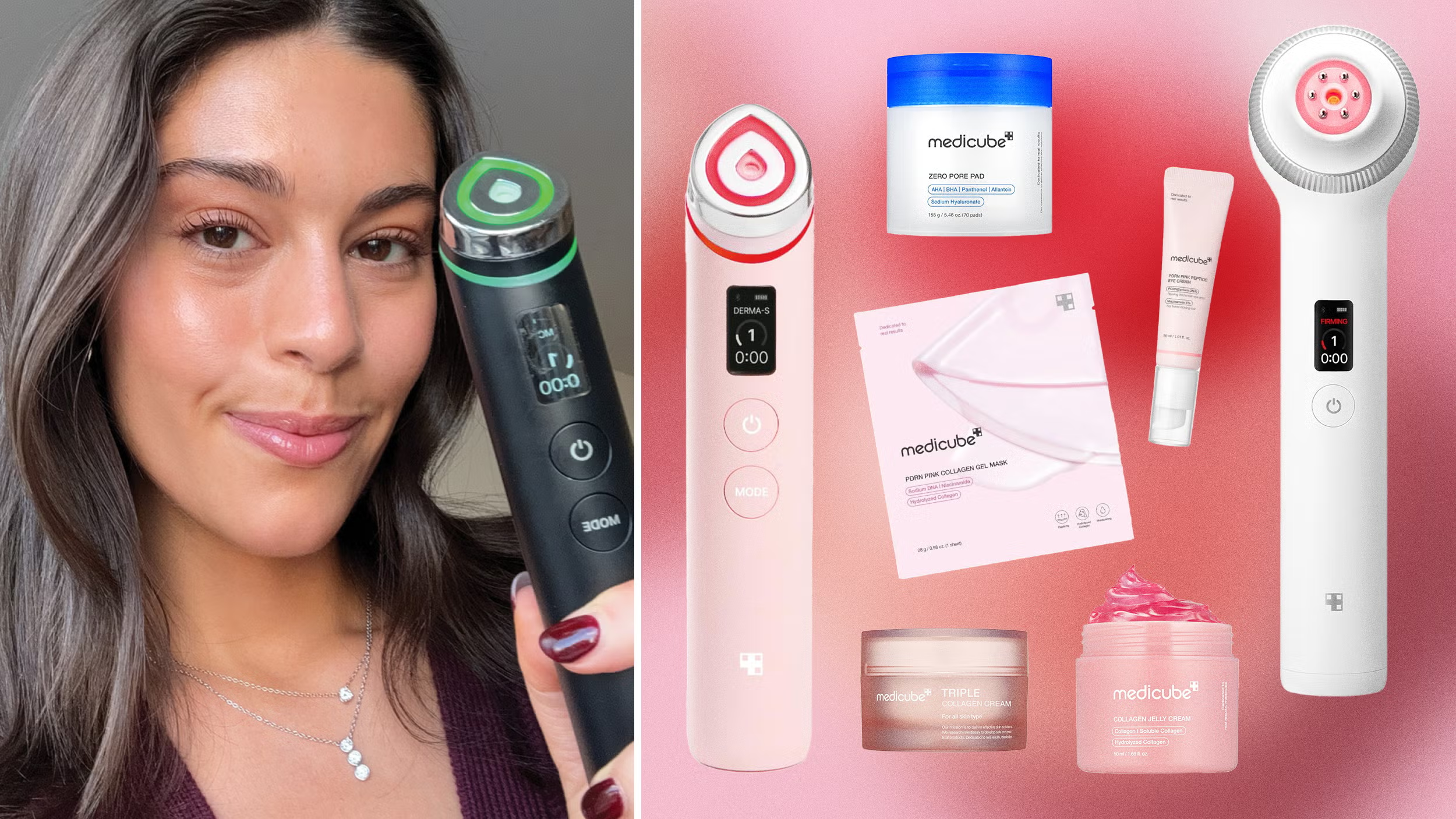
# Medicube Is Building a Devoted Following, One Skincare Convert at a Time
Medicube, the South Korean skincare brand, has reached that enviable status where customers become unpaid advocates. Harper's Bazaar's endorsement reflects what's happening quietly across beauty circles: people are recommending this brand to their immediate networks with genuine enthusiasm.
The brand operates in a crowded K-beauty market, but it has carved out distinct territory through a science-forward approach. Medicube combines dermatological research with accessible formulations, positioning itself between clinical treatments and everyday skincare. The company leans heavily on active ingredients and visible efficacy rather than marketing mystique alone.
What drives this word-of-mouth momentum? Several factors cluster together. First, Medicube delivers visible results within weeks rather than months. Users report clearer skin, reduced inflammation, and improved texture. This speed matters. Beauty purchases demand trust, and trust builds fastest when results arrive quickly. Second, the brand prices competitively for the quality tier it occupies. K-beauty enthusiasts recognize value, and Medicube delivers it without requiring luxury-tier spending.
The skincare line itself centers on proven actives. The brand features retinol derivatives, niacinamide, peptides, and hyaluronic acid in formulations that feel modern without chasing every trend. Medicube's Red Cream line targets rosacea and sensitive skin, while the Barrier Active line addresses compromised skin barriers. These aren't gimmicks. They address actual dermatological concerns that drive skincare shopping decisions.
Distribution matters too. Medicube maintains presence on major platforms like Yesstyle, Stylevana, and direct channels, making products accessible to international shoppers without regional gatekeeping. Availability fuels advocacy. When someone loves a product and can actually buy it, they tell others.
The K-beauty category itself has shifted dramatically over the past five years. Early enthusiasm for sheet masks and 10-step routines has matured into demand for ingredient transparency and efficacy. Brands that relied purely on novelty have faded. Medicube survived this contraction because it offers substance. The brand doesn't oversell skincare magic. It promises evidence-backed formulations that work within realistic timeframes.
Testimonial-driven growth like Medicube's represents a deeper trend in beauty commerce. Influencer partnerships and paid advertising face increasing skepticism. Authentic recommendations from peers carry more weight than any celebrity endorsement. When multiple people in your social circle independently mention the same brand, pattern recognition activates. That brand must work.
The competitive landscape includes other strong K-beauty performers like Purito, COSRX, and Torriden. Each carved niches through different strategies. Purito emphasizes minimalism and sunscreen innovation. COSRX built authority through acne-focused formulations. Medicube chose clinical efficacy across multiple skin concerns. This diversification means the K-beauty market supports multiple winners rather than one dominant player.
For consumers, the Medicube phenomenon signals that good skincare doesn't require astronomical pricing or excessive complexity. Results matter more than packaging. Ingredient lists matter more than brand heritage. This consumer sophistication pushes better products into the market consistently.
The brand's growth through personal recommendation also reflects how beauty shopping has democratized. Traditional beauty editors no longer gatekeep product discovery. Friends and family recommendations now carry equivalent or greater weight. Medicube capitalized on this shift by delivering products worth recommending.