# The 7 Best Body Washes for Soft and Fresh Skin, According to Cosmo's Beauty Editors
Cosmopolitan's beauty team has identified seven standout body washes that deliver on both efficacy and sensory experience. These picks represent a range of formulations, price points, and skin concerns, offering options whether you prioritize hydration, exfoliation, or pure indulgence.
The selection underscores a broader shift in how consumers approach body care. For years, body wash occupied the functional bargain bin of beauty routines. Today, the category commands serious attention from both prestige and mass-market brands, with formulations rivaling face creams in sophistication and active ingredients.
Hydration remains the primary driver of body wash purchases. Many editors gravitate toward formulas enriched with glycerin, ceramides, or plant oils that cleanse without stripping. Dry skin conditions have intensified post-pandemic, partly due to increased handwashing and sanitizer use. Body washes that deliver moisture while still removing buildup address this tension directly.
Texture matters more than many consumers realize. Gel formulas tend toward lightweight feel and quick rinse, while cream-based washes leave a protective film on skin. Some cult favorites employ exfoliating particles or chemical exfoliants like salicylic acid and glycolic acid, targeting body acne and keratosis pilaris. Others incorporate botanical extracts or essential oils for aromatherapeutic benefit without relying on fragrance alone.
Scent profiles have become increasingly nuanced. Gone are the era of generic "fresh linen" or "ocean breeze" options. Contemporary body washes feature layered notes, amber bases, and unexpected ingredients like oud or vetiver. Some editors prefer unscented or lightly scented options that won't clash with perfume or deodorant choices.
Price positioning reveals market segmentation. Prestige brands like Augustinus Bader and Aesop command premiums through scientific claims and minimal-but-intentional ingredients. Mass-market players like Cetaphil and CeraVe emphasize dermatologist recommendations and clinical backing. Indie and direct-to-consumer brands carve space through storytelling, sustainability positioning, or niche ingredient focuses.
The editors' selections likely reflect current beauty trends: barrier repair, sensorial indulgence, and ingredient transparency. Body care has graduated from afterthought to legitimate skincare category. People now scrutinize body wash labels the way they examine facial cleansers, checking for sulfates, parabens, and specific actives.
Seasonal shifts impact preferences too. Summer body wash purchases lean toward energizing scents and cooling sensations. Winter picks tend toward richer formulations and comforting aromatics. Year-round performers balance freshness with nourishment.
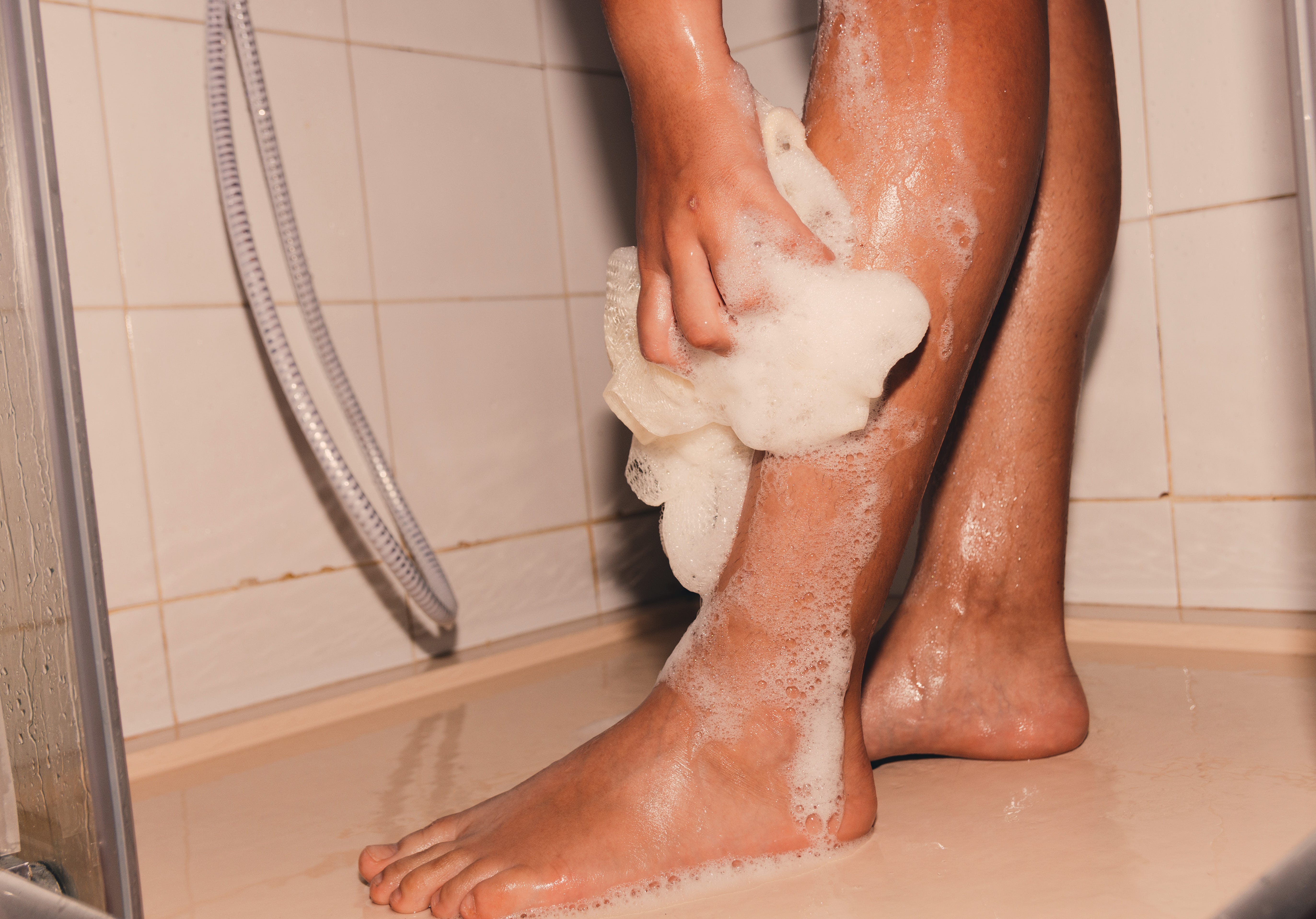
Application method has evolved beyond simple squirt-and-lather. Many consumers now use body washes with tools like exfoliating mitts, loofahs, or silicone body scrubbers to amplify cleansing and circulation. Some washes are engineered to work better with specific tools, creating lather profiles that enhance texture.
The recommendation carries real value for consumers tired of trial-and-error shopping. Beauty editors test products against rigorous standards: ingredient transparency, performance consistency, packaging sustainability, and user experience. Their vetted selections save time and reduce waste from purchasing duds.
Body wash represents accessible beauty investment. Unlike serums running $100 or treatments requiring appointments, a quality body wash costs between $8 and $40 and delivers daily utility. These editor picks justify their positioning within broader skincare philosophy rather than as commodity products.