# Vogue World Milano's Robot Models Spark Backlash
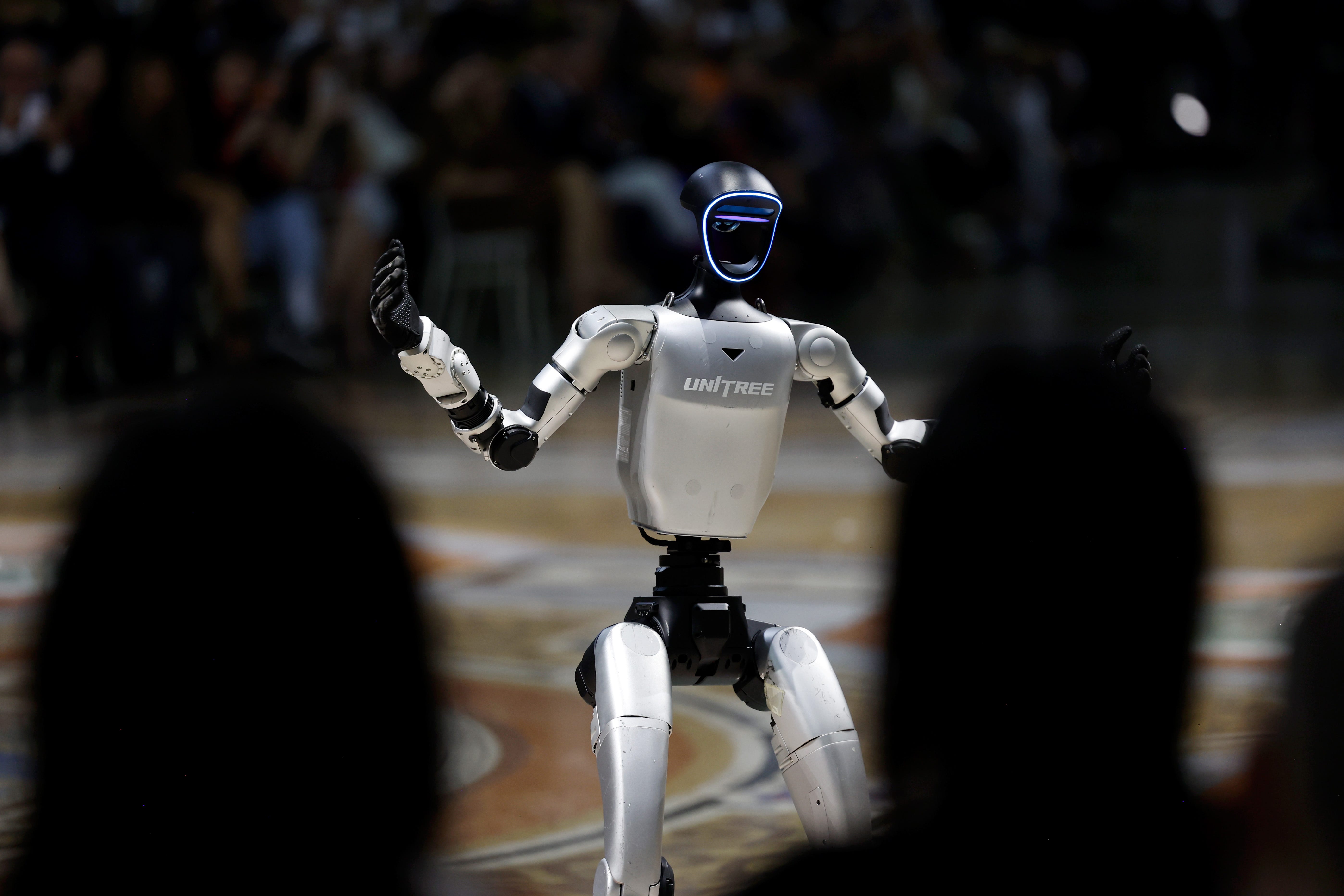
Vogue World Milano deployed humanoid robots on the runway this week, and the fashion world responded with swift skepticism. The experimental presentation, meant to showcase innovation in fashion, instead ignited debate about authenticity, labor, and the future of modeling itself.
Audiences and online commenters criticized the robot models for several reasons. The uncanny valley effect dominated reactions. Viewers found the mechanical movements jarring rather than revolutionary. Social media quickly filled with commentary questioning whether replacing human models with machines represents progress or spectacle.
The backlash reflects deeper anxieties within fashion. The industry relies on human models as storytellers. A model's presence, movement, and energy communicate a designer's vision in ways algorithms cannot replicate. Robots move with precision but lack the grace, attitude, and lived experience that make modeling compelling.
This stunt also arrives amid ongoing concerns about AI's impact on creative professions. Models already navigate precarious working conditions, inconsistent pay, and limited job security. Introducing robotic alternatives, even experimentally, reads to many as a dismissal of these human workers. The timing felt tone-deaf to industry insiders already grappling with labor issues.
Vogue World Milano intended the robots as a commentary on fashion's relationship with technology. The execution, however, prioritized novelty over narrative. The presentation lacked clear artistic purpose. Why were robots here? What statement did Vogue actually want to make? These questions went unanswered, leaving the segment feeling gimmicky rather than thoughtful.
Fashion has long flirted with AI and tech integration. Virtual fashion shows gained traction during the pandemic. Brands experiment with digital collections and virtual try-on tools. These applications serve specific purposes. They democratize access or reduce waste. The Milano robots served no such function. They simply existed as a visual spectacle.
The backlash also reflects generational sentiment. Younger audiences, increasingly conscious of labor rights and sustainability, view AI implementation with suspicion. They question which humans lose jobs when brands chase technological novelty. Replacing models with robots suggests fashion values innovation over people.
This moment will likely shift how fashion brands approach AI integration. Trotting out robots for shock value now seems risky. Audiences demand purpose. They expect brands to consider the human impact of automation. Empty tech-for-tech's-sake moments generate immediate criticism and lasting reputation damage.
Vogue World Milano will be remembered as a cautionary tale. Innovation in fashion works when it serves a clear vision. Robots on the runway served only themselves.