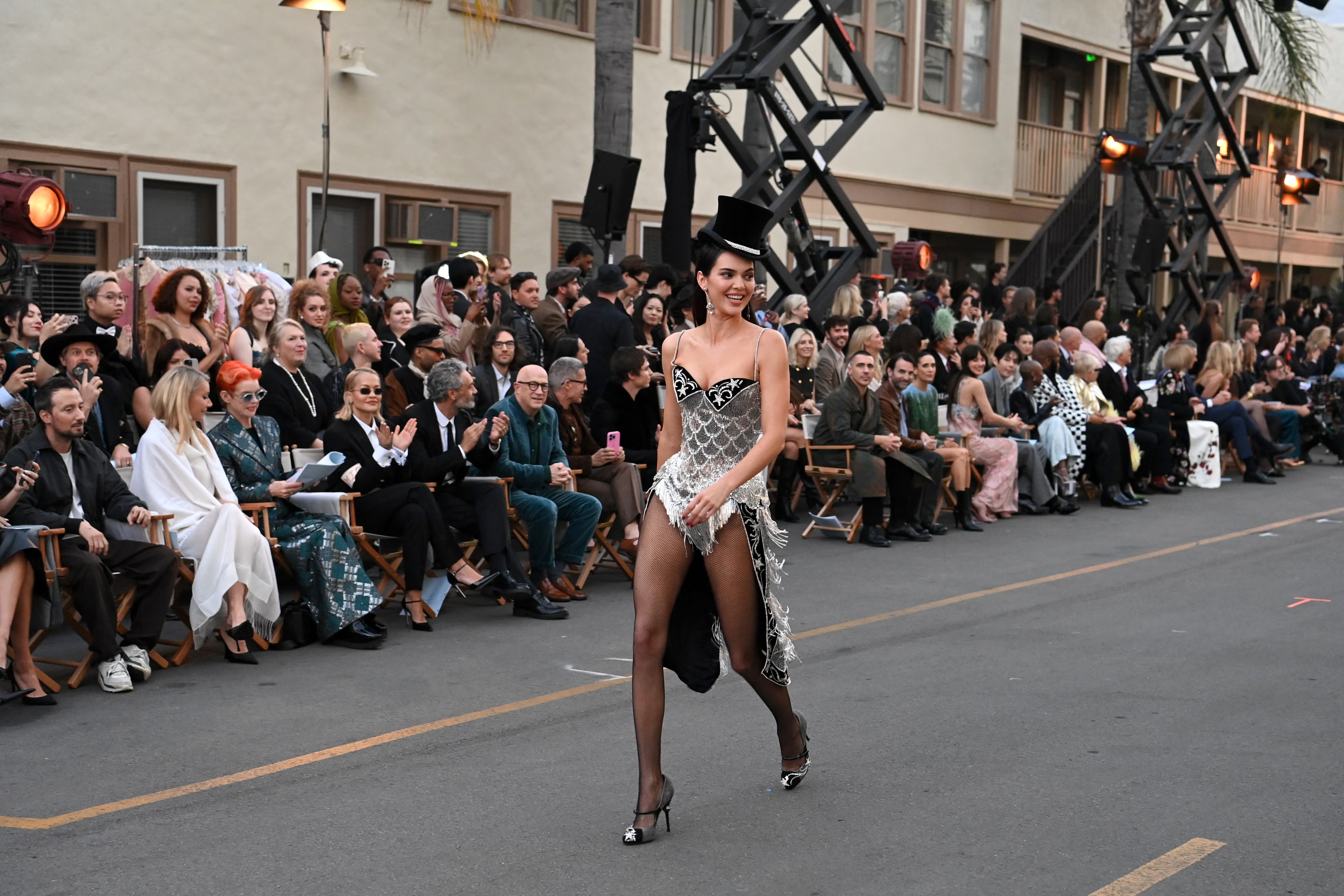
# Vogue World: The Event Redefining Fashion Week Access and Spectacle
Vogue World has emerged as fashion week's most exclusive and talked-about spectacle, drawing A-list celebrities, influencers, and industry power players to a single venue that blurs the line between runway show and celebrity gathering. The event launches Milan Fashion Week this season, cementing its status as a cornerstone moment in the global fashion calendar.
The concept itself is straightforward but revolutionary for an industry obsessed with gatekeeping. Vogue World consolidates multiple designer presentations into one curated experience, hosted and orchestrated by Condé Nast's flagship publication. Rather than attendees hopping between scattered shows across a city, they gather in a single location where designers showcase collections back-to-back, interspersed with performances, installations, and celebrity moments.
What makes Vogue World different from traditional fashion week programming lies in its theatrical ambition and accessibility paradox. While it maintains elite exclusivity (invitations remain highly coveted), the event is designed for maximum cultural impact. The productions are cinematic and experiential. Designers don't simply present clothing on a runway. They create narrative moments. Performances underscore the collections. Celebrity attendance becomes part of the show itself, not merely a side effect of it.
The event structure allows emerging and established designers to share cultural real estate with major luxury houses. This democratization of the runway, though limited to Vogue's selected roster, offers smaller brands exposure they couldn't achieve at fragmented fashion week schedules. For major houses like Versace, Fendi, and others who participate, Vogue World provides a guaranteed audience of press, retailers, and influencers concentrated in one space.
Celebrity attendance fuels the event's mystique and newsworthiness. The red carpet moments, front-row seating assignments, and after-show gatherings generate endless social media content. Brands benefit from organic reach as celebrities post their outfits, behind-the-scenes access, and reactions in real time. For attendees, Vogue World functions as both a professional obligation and a social currency marker. Being photographed at the event signals influence and connection to fashion's inner circles.
The Milan iteration takes on particular weight because Milan remains fashion's commercial heart. This is where the industry's most powerful luxury conglomerates base their operations. LVMH, Kering, Hermès, and other titans maintain headquarters here. Launching Milan Fashion Week with Vogue World positions the event as the week's anchor moment rather than an ancillary spectacle.
For consumers and fashion enthusiasts, Vogue World represents a shift in how fashion weeks operate. The event's existence acknowledges that fragmented scheduling and scattered venues no longer serve either industry needs or media narratives. By consolidating the experience, Condé Nast created a model that other publications and fashion capitals are watching closely. The concept could reshape how fashion weeks function globally.
The event also reflects broader changes in celebrity culture and fashion consumption. When every attendee has a platform and influence metrics are measurable, fashion weeks must compete for attention differently than they did a decade ago. Vogue World's spectacle, star power, and curated narrative address this shift head-on.
As the Milan edition approaches, insiders and outsiders alike anticipate which designers will present, which celebrities will attend, and what unexpected moments will dominate social feeds. The event has become unmissable not because of any single collection, but because Vogue World itself is now the story.