# The Best Benzoyl Peroxide Products for Real Acne Control
Benzoyl peroxide remains one of dermatology's most effective acne-fighting ingredients, and for good reason. It works through a dual mechanism: killing the bacteria that cause acne while also reducing inflammation and promoting skin cell turnover. Unlike antibiotics, bacteria cannot develop resistance to benzoyl peroxide, making it a reliable option even after years of use.
The ingredient comes in varying strengths, typically ranging from 2.5 percent to 10 percent. Contrary to popular belief, higher concentrations do not necessarily deliver better results. Studies show that 2.5 percent benzoyl peroxide performs comparably to 10 percent formulations while causing fewer side effects like dryness and irritation. This makes it an ideal starting point for newcomers to the ingredient.
Benzoyl peroxide's effectiveness extends across acne types. It tackles comedonal acne (blackheads and whiteheads), inflammatory breakouts (red bumps and pustules), and even cystic acne when layered with other treatments like retinoids or oral medications. Many dermatologists recommend it as a first-line treatment before moving to prescription options.
The key challenge lies in formulation. Benzoyl peroxide degrades when exposed to light and heat, and it can bleach fabrics and hair. Smart product design matters. Oil-free gels work best for oily and combination skin, while creamy formulations suit drier types. Some products pair benzoyl peroxide with complementary actives like salicylic acid or niacinamide to amplify results without overwhelming the skin barrier.
Application strategy determines success. Starting with lower concentrations and using the ingredient just three times weekly allows skin to acclimate. Most people see visible improvement within two to four weeks of consistent use. The ingredient works best when combined with a solid moisturizer, as benzoyl peroxide can trigger dryness that leads users to abandon treatment prematurely.
One often-overlooked benefit: benzoyl peroxide prevents new breakouts from forming. Users report clearer skin weeks after stopping treatment, suggesting it creates longer-lasting bacterial suppression than some alternatives. This makes it particularly valuable during hormonal fluctuations or seasonal acne flare-ups.
Potential drawbacks exist. Some people experience sensitivity, redness, or mild peeling, especially initially. Those with very sensitive skin should patch test first. Contact with certain fabrics, pillowcases, or even some skincare ingredients (like vitamin C or retinoids) can cause irritation or reduced efficacy when layered incorrectly. Spacing out these actives by several hours typically solves the problem.
The ingredient's safety profile remains solid across all age groups. Dermatologists prescribe benzoyl peroxide to teenagers and adults alike. Pregnant individuals can use it safely, making it one of few acne treatments without contraindications during pregnancy.
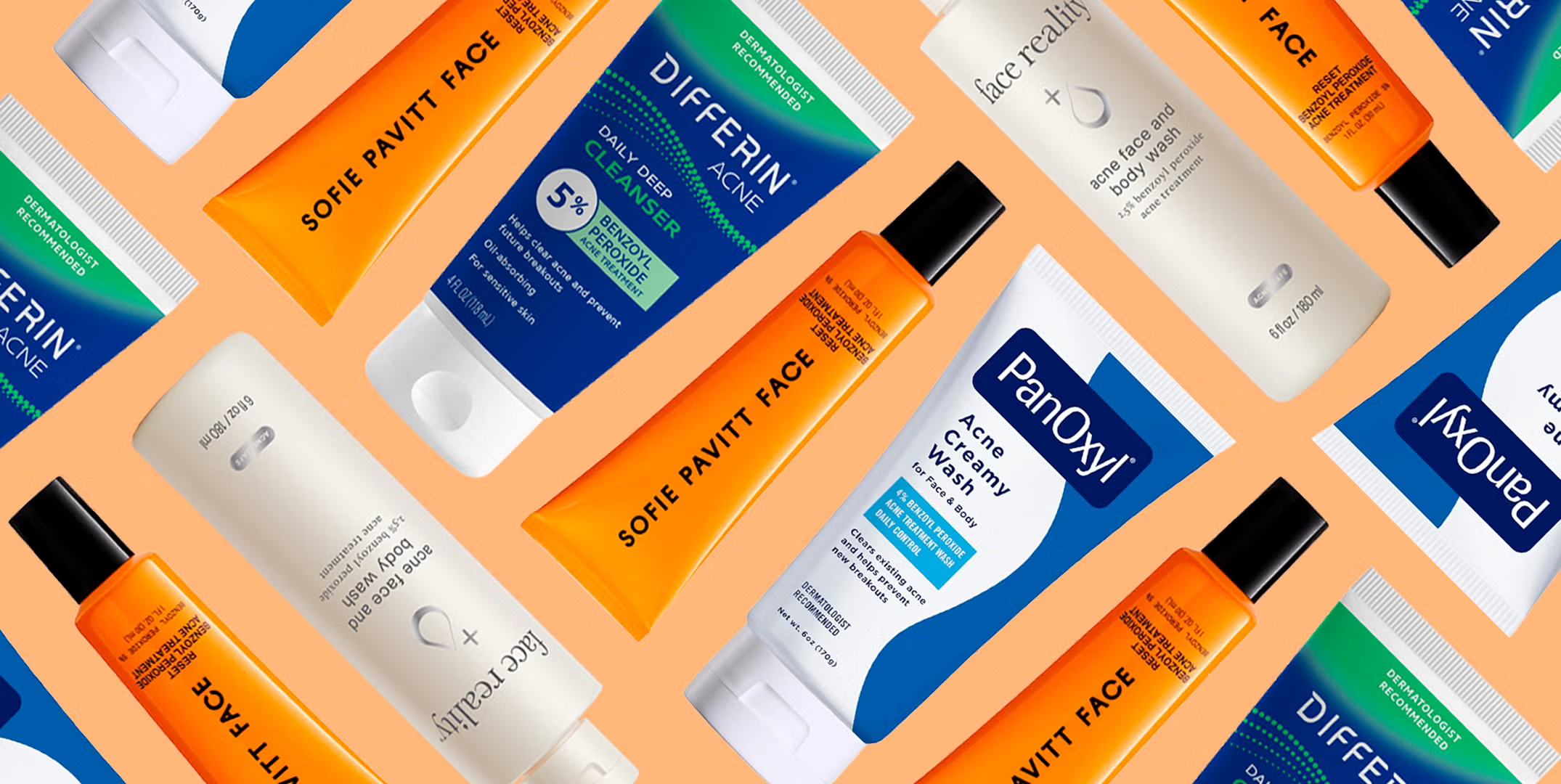
Cosmopolitan's roundup identifies six standout products across different price points and skin types. The selection likely includes bestsellers from brands like Differin, PanOxyl, and Neutrogena alongside prescription-strength options. Each product targets specific acne concerns, from stubborn hormonal breakouts to sudden stress-induced blemishes.
For anyone frustrated with acne, benzoyl peroxide deserves a prominent spot in their routine. It delivers results backed by decades of dermatological research, works independently of other treatments, and costs far less than most prescription alternatives. The ingredient remains undefeated against acne bacteria.