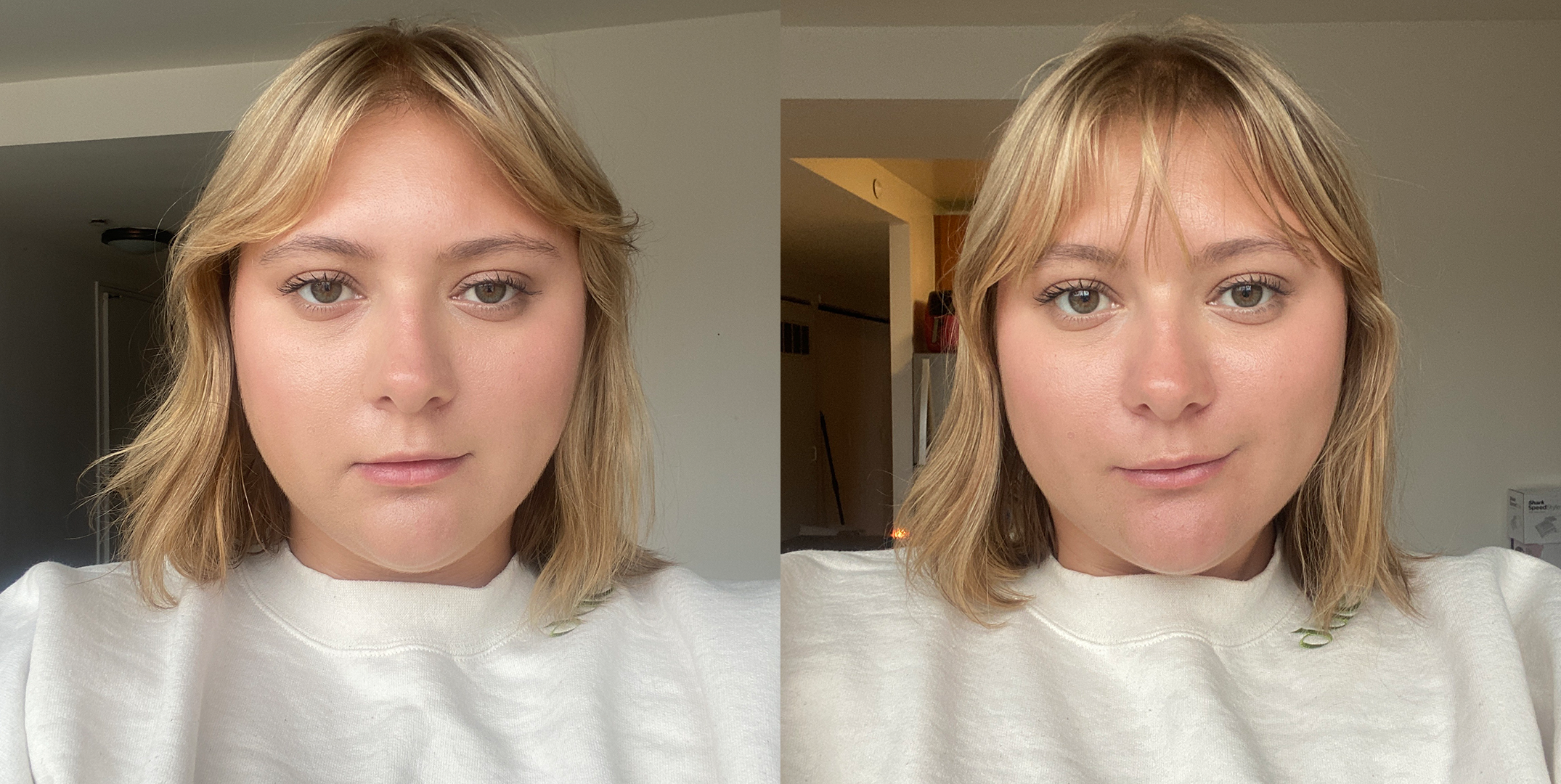
Upneeq, the FDA-approved eye drop formulated with oxymetazoline hydrochloride, delivers measurable results for ptosis sufferers without surgery. The drops work by stimulating Müller's muscle, a smooth muscle in the eyelid that contracts to lift the lid naturally. Within 15 minutes of application, users report visible eyelid elevation that lasts approximately eight hours.
The writer tested Upneeq over several weeks and documented meaningful improvement in droopy eyelids caused by age-related ptosis. The drops produce no numbing sensation and integrate seamlessly into a morning skincare routine. Unlike invasive blepharoplasty, which costs thousands and requires downtime, Upneeq offers immediate, reversible results at a fraction of the price.
Results vary by individual. The formulation works best for mild to moderate ptosis where the drooping stems from muscle weakness rather than excess skin. Users with severe ptosis or skin laxity may find the results insufficient. Common side effects include temporary redness and irritation, though these typically subside quickly.
Upneeq launched commercially in 2020 after FDA approval, marking the first and only pharmacological treatment for acquired ptosis. Dermatologists and ophthalmologists increasingly recommend it as a first-line intervention before considering surgery. The drops cost roughly $100 to $200 monthly depending on insurance coverage and pharmacy pricing.
What separates Upneeq from competitors is its mechanism. Rather than relying on caffeine or other stimulants that tighten skin temporarily, the drops directly target the muscle responsible for lid elevation. This biological approach produces results that look natural rather than over-tightened or artificial.
The real value lies in accessibility. Many people who experience droopy eyelids delay treatment due to surgery anxiety or cost. Upnee