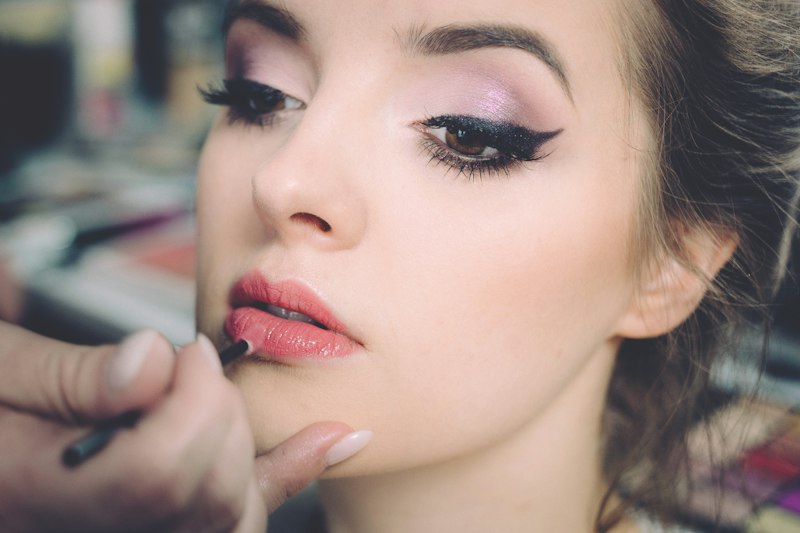
The consensus is comfortable: Clean girl aesthetics have peaked, minimalism is tired, and we're entering a glorious era of "more is more." Beauty editors are celebrating the return of bold color and visible texture. The narrative writes itself. We're supposedly rejecting restraint in favor of self-expression, shedding years of Instagram-induced beige anxiety.
But this framing lets the actual issue slip past unexamined.
The better question isn't whether minimalism deserves its crown. It's what the swing away from "clean girl" makeup really reveals about how brands have trained us to think about product necessity.
Here's what's being overlooked: Both the minimalist trend and the current backlash against it serve the same industrial purpose. They both demand constant product rotation. When clean girl was ascendant, you needed your serums, your tints, your "skin-like" bases to achieve that effortless perfection. Now that we're celebrating texture and color, you're acquiring an entirely new arsenal. Cream blushes, dimensional eyeshadows, strategic contour, the works.
The cycle isn't about aesthetic freedom. It's about manufactured obsolescence disguised as liberation.
Look at what's happening in real time. Brands aren't celebrating a return to artistic expression. They're launching entire ranges around the "new" direction. The same companies that convinced us that visible pores were a failure are now selling products designed to catch light and draw attention. Same business model. Different product SKU.
This matters because it reveals something uncomfortable about how beauty marketing actually works. Trends aren't emerging organically from consumers who suddenly woke up tired of minimalism. They're being actively engineered to justify new inventory, new spending cycles, and new shelf space.
The recent naked makeup looks at major events? Natural enough. But paired with beauty coverage celebrating their complexity, suddenly those looks require explanation. Justification. Products. Tutorials showing the five-step process to achieve what's being marketed as effortless.
The genius is that both directions feel rebellious. Minimalism felt like rejecting beauty standards. Maximalism feels like reclaiming self-expression. But they're both profitable endpoints for the same system.
What would actually break the cycle? A genuine shift toward acceptance of repetition. Wearing the same makeup look day after day. Using products until they're empty instead of cycling through seasonal launches. Building a personal uniform instead of treating makeup as a rotating seasonal wardrobe.
That terrifies beauty marketing because it's actually sustainable. It doesn't generate quarterly newness. It doesn't require justification through trend cycles.
The uncomfortable truth is that "express yourself" and "less is more" are equally effective marketing messages when they both funnel toward consumption. The industry doesn't care which direction you choose, as long as you're choosing. As long as you're buying.
Real freedom in beauty would look like apathy toward trends. It would mean using what works without needing permission from Instagram or fashion weeks or beauty editors to justify the choice. It would mean not asking whether your makeup style is currently correct.
So yes, celebrate color if you want it. Embrace texture and dimension and visible artistry. But do it because you actually want it, not because you've been convinced that minimalism's death sentence is your beauty liberation.
The next trend is already being positioned. Whatever it is, it will feel like a departure from now. It will feel revolutionary. And it will require you to buy things you didn't have last season.
That's not a cycle of freedom. That's just branding.