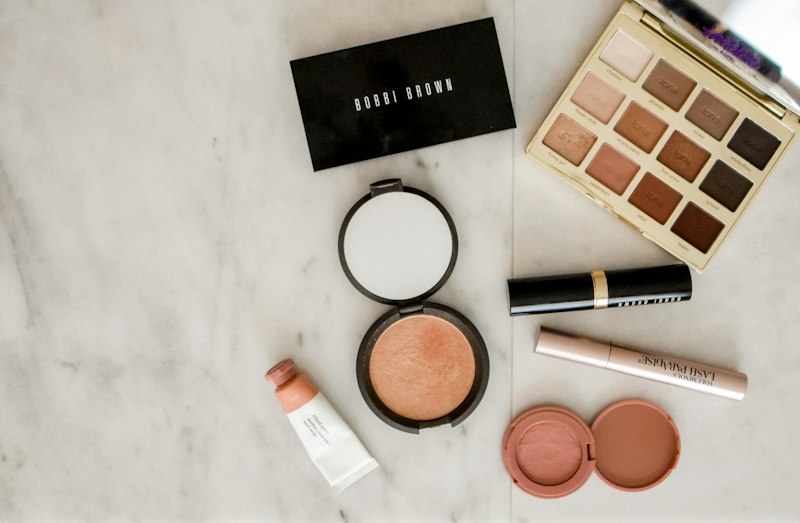
We need to talk about why the beauty industry keeps trying to convince us that "nude" makeup is the ultimate sophistication. And we need to ask who actually benefits when this narrative wins.
The language around makeup trends reveals everything about incentive structures. When industry gatekeepers celebrate "naked" looks and "barely-there" aesthetics, they're not being neutral. They're steering consumers toward a specific product category that happens to be extraordinarily profitable.
Here's the contradiction nobody wants to say out loud: a truly "nude" makeup look requires more products, more skill, and more frequent repurchasing than bold makeup ever will. You need the right foundation shade (good luck finding it), multiple concealers, setting powders, and often corrective primers just to achieve that effortless "no makeup makeup" aesthetic. Meanwhile, a statement lip or smoky eye? One product can do the heavy lifting.
The industry has spent two decades rebranding restraint as luxury. And it's working brilliantly, because the messaging appeals to our insecurities about looking "too done." Nobody wants to be the person trying too hard. So when influencers and editorial teams celebrate minimal makeup, consumers don't see a marketing strategy. They see permission to look naturally perfect, which feels aspirational rather than commercial.
But ask yourself: who profits most from this narrative? Not the consumer buying one dramatic red lipstick that lasts six months. The companies winning are those selling the infrastructure of "natural" beauty: the shade-matching systems, the skin prep products, the "perfecting" serums that promise to make your skin so good you barely need coverage. These are high-margin items with built-in obsolescence. Your skin changes. Seasons shift. Suddenly last month's perfect nude doesn't work anymore.
This matters because beauty marketing shapes how people relate to their own faces. When "nude" is consistently elevated as the sophisticated choice and bold color is positioned as youthful or experimental, we're not just talking about aesthetics. We're reinforcing specific beauty hierarchies that benefit the brands promoting them.
The recent focus on impossibly subtle makeup at high-profile events is instructive. Red carpet looks celebrating barely-perceptible makeup aren't accidents. They're content that gets amplified because they feel aspirational and achievable in a way that dramatic makeup sometimes doesn't. And that aspirational feeling is exactly what drives people to buy the range of "complexion" products required to achieve it.
I'm not arguing that minimal makeup is bad or that bold makeup is better. Both are valid. The problem is the systematic elevation of one over the other, paired with the economic incentives that make one vastly more profitable than the other. When media consistently celebrates restraint while those same outlets depend on advertising from brands that profit from restraint-enabling products, the independence of that coverage becomes questionable.
What's frustrating is how effectively this works. Consumers end up internalizing the message that nude makeup represents good taste, self-control, and maturity. Meanwhile, they're actually funding a product ecosystem that requires constant repurchasing and upgrading to maintain.
The beauty industry isn't wrong about nude makeup. It's just not being honest about why it's being pushed quite so hard. And that's a distinction readers should keep in mind the next time they're told that "less is more."