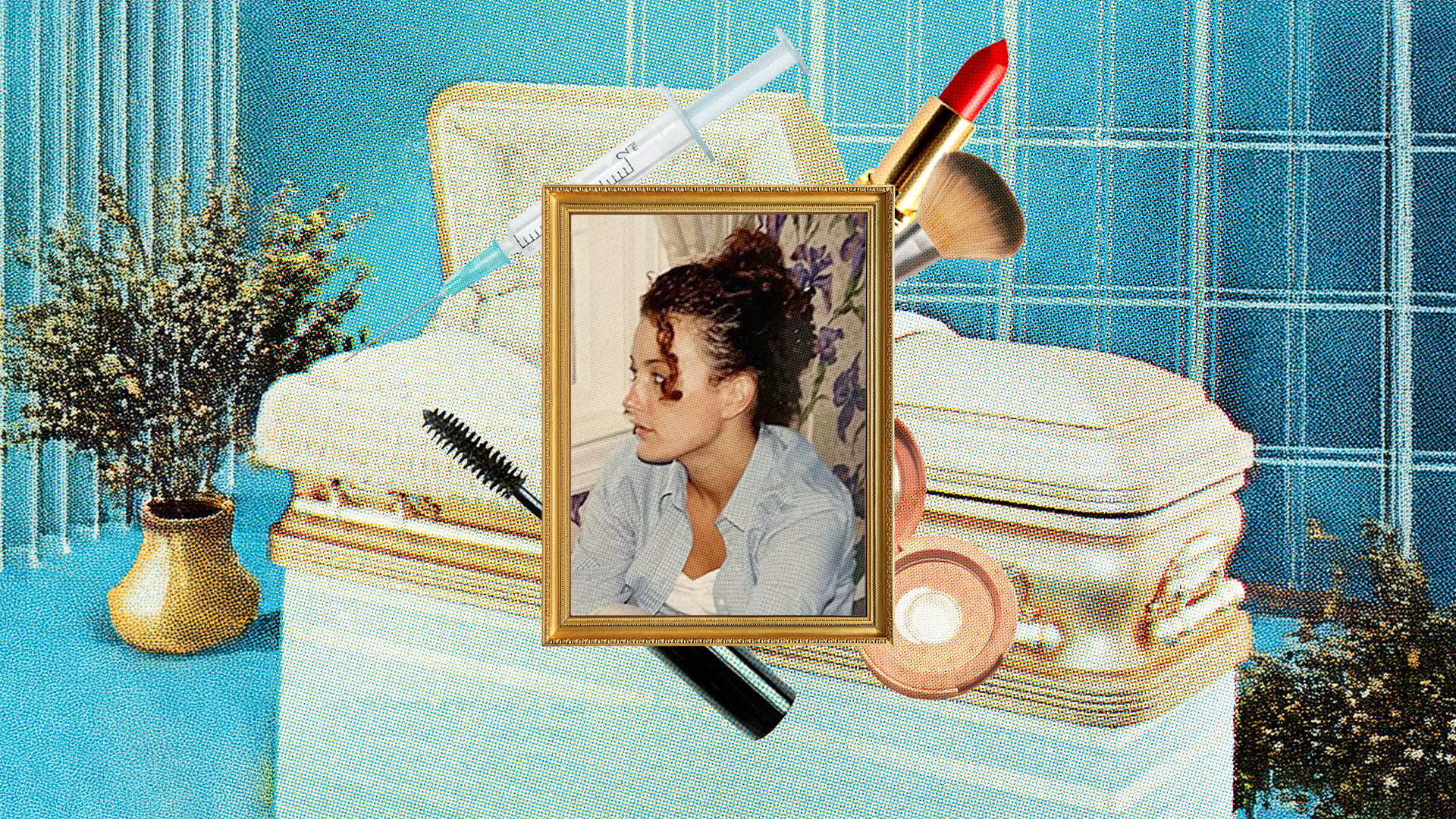
A funeral director reflects on the challenge of preparing bodies when people have invested heavily in cosmetic procedures and modifications during life.
The author notes that contemporary beauty routines involve extensive work. Hair is dyed, highlighted, and extended. Eyebrows are waxed, filled, laminated, tattooed, and microbladed. Lips are lined and filled. Eyelashes are lifted, tinted, extended, and replaced strand by strand. Nails receive acrylic, gel, tips, and designs.
When someone dies, a funeral director must reconstruct a carefully maintained identity. The author writes, "When a woman dies, I am not merely restoring her features but trying to reconstruct a carefully maintained identity whose instructions may have disappeared with her." Family members often provide photographs spanning years, creating confusion about which version of the person should appear in the casket.
The author describes a practical problem. A hairstylist knew the color. A lash technician knew the length. A nail artist knew the shape. An injector knew the placement. The funeral director knows none of it. The family asks to "make her look like herself," but multiple living hands once created that appearance.
The funeral director can perfect eyebrows, smooth tones, add lashes, and create symmetry. Yet families may not recognize the result. As the author states, "In death, a family is not asking us for the most beautiful version of their loved one. They are asking for their loved one."
The author chose not to undergo surgical procedures partly because of experience with her mother's cosmetic modifications. She explains, "When they see me for the last time, they will know me."