# The Best Perfumes of All Time, According to Cosmo Editors
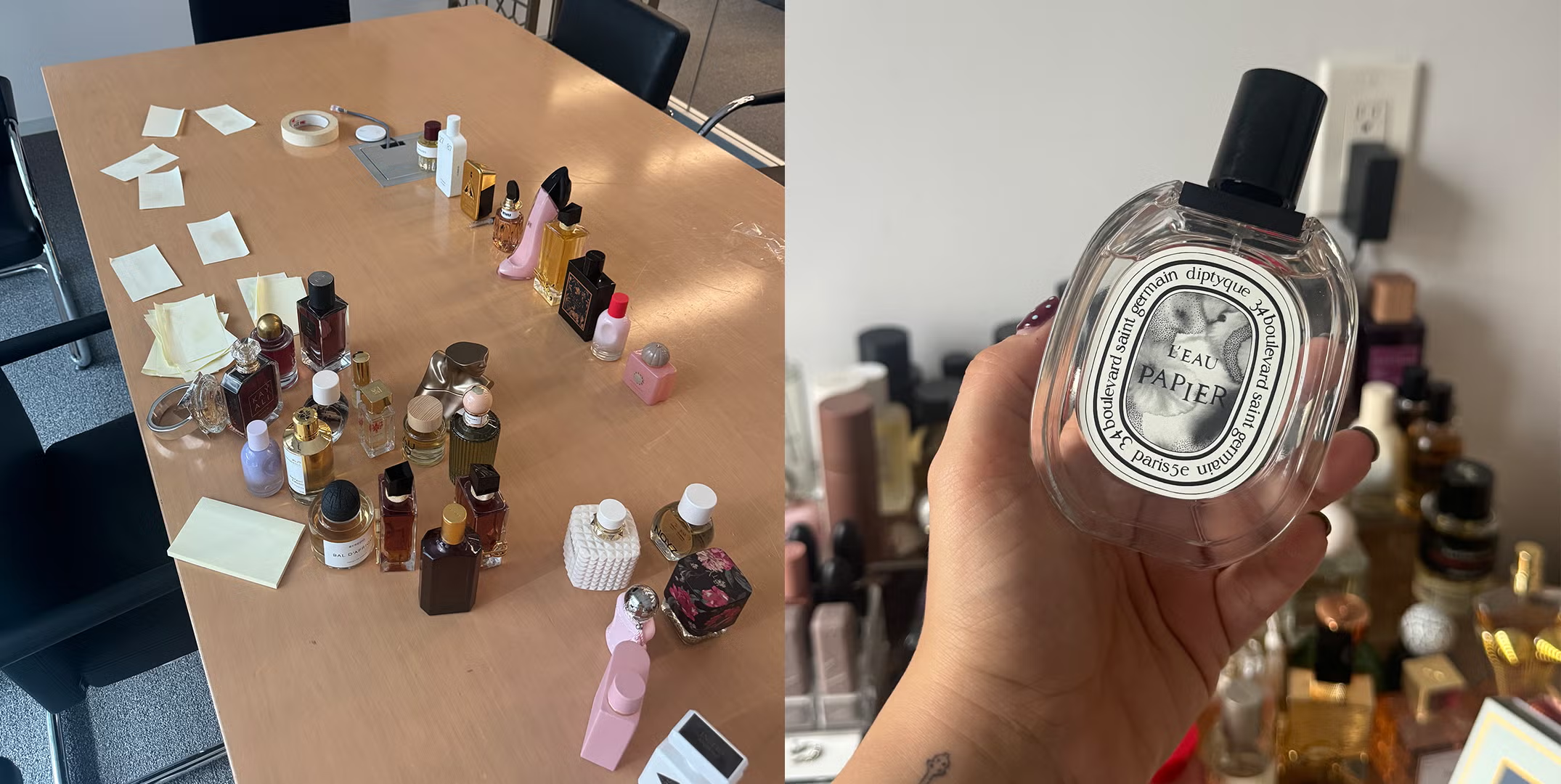
Cosmopolitan's beauty team tested more than 60 fragrances to compile their definitive list of the best perfumes. The testing process involved hands-on evaluation across multiple scent families and price points, resulting in recommendations that span classic icons to emerging favorites.
The editors prioritized several criteria when narrowing down their selections. Longevity matters. A perfume that fades within two hours ranks lower than one that stays put for eight or more. Sillage, the trail a fragrance leaves behind, also factored into decisions. The team looked for scents that project without overwhelming a room. Ingredient quality and composition received scrutiny as well. Perfumes with higher fragrance concentrations, particularly eau de parfum formulations, typically outperform lighter eau de toilette versions.
The testing covered classic fragrances that have dominated the beauty landscape for decades, alongside newer releases that challenge traditional scent architecture. Vintage favorites like Chanel No. 5 and Dior's J'adore held their ground against contemporary offerings. Niche and luxury brands received equal consideration alongside mass-market options, ensuring the list reflects actual consumer options across budgets.
Fragrance families represented in the roundup include florals, which remain the most popular category for women's perfume. Woody scents appeal to those seeking depth and sophistication. Fruity perfumes attract consumers wanting something playful and contemporary. Amber and oriental fragrances deliver warmth and sensuality. The team also evaluated unisex and gender-neutral options, reflecting shifts in how consumers approach fragrance shopping.
Several factors drove the final selections. A perfume needed to perform consistently across skin types and environmental conditions. Performance in cool weather versus warm weather mattered. Some fragrances open strong but flatten as they develop. Others bloom over time, revealing hidden notes that weren't apparent in the initial spray. The editors prioritized fragrances with compelling narrative arcs.
Accessibility played a role too. While luxury fragrances command respect for their ingredient quality and composition, Cosmo's list includes accessible options that deliver legitimate quality without requiring a luxury price tag. A great fragrance at fifty dollars can outperform a mediocre one at two hundred dollars. The team wanted readers to feel confident making purchases at various price points.
The testing process involved multiple applications and wear periods. Editors didn't rely on single sniffs. They wore fragrances for full days, noting how skin chemistry interacted with the scent. They observed how the fragrance performed on their clothes versus directly on skin. They tested layering the perfume with matching body products to see if it enhanced performance.
Personal preference bias presented a challenge that the team addressed methodically. Not everyone loves tuberose, and that's fine. But the list acknowledges these polarizing ingredients while still including fragrances built around them. A perfume that divides opinion but performs exceptionally well deserves recognition, even if it's not universally appealing.
The resulting list serves readers planning their next fragrance purchase or looking to explore categories they've avoided. It recognizes that fragrance remains one of beauty's most personal categories. The same scent smells entirely different on different skin types and responds differently to body chemistry. What smells fresh and green on one person might smell medicinal on another. This list gives readers the information needed to navigate that complexity.