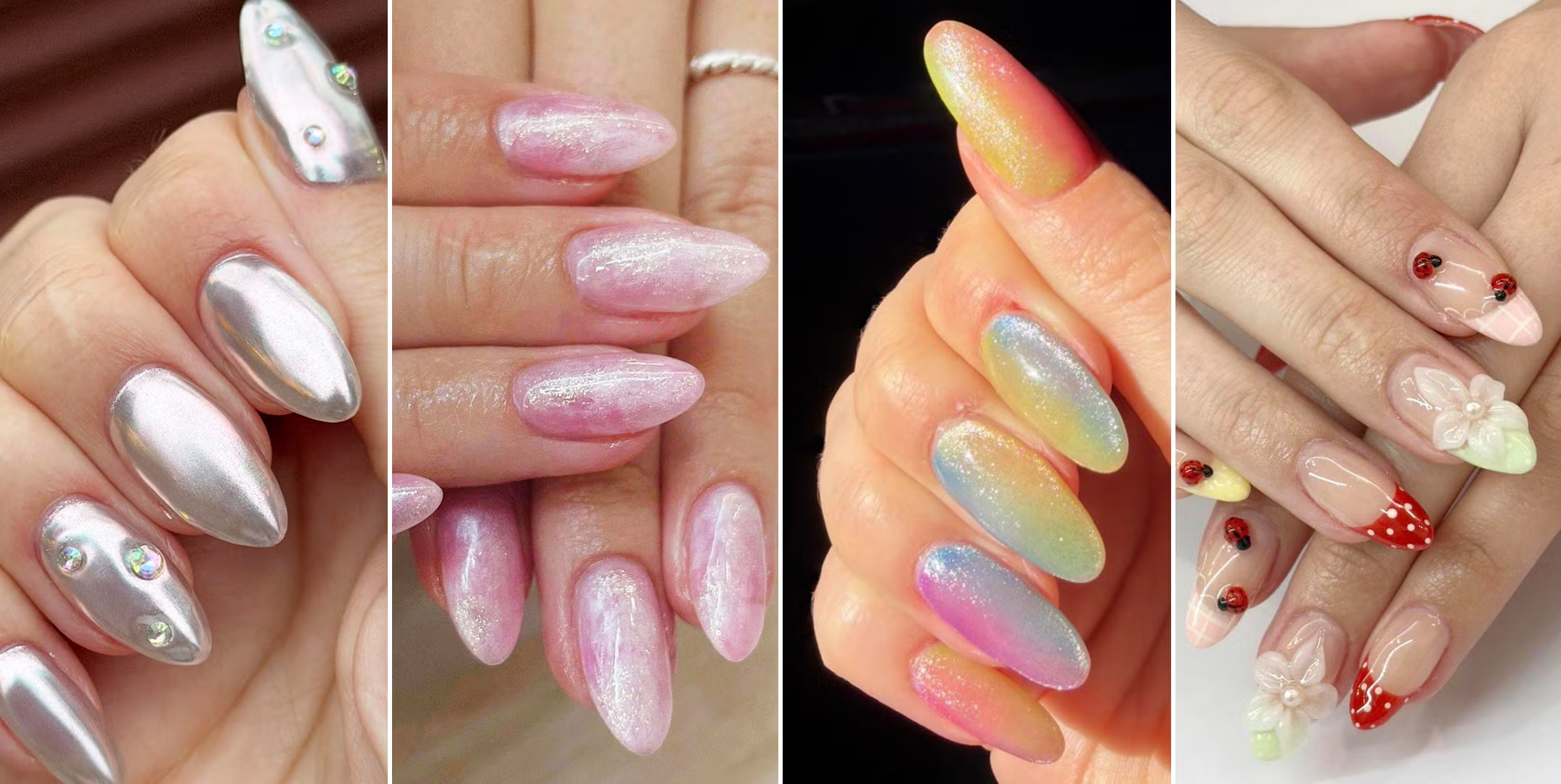
# Japanese Gel Manicures Transform Natural Nail Growth Into Enviably Long, Strong Extensions
Japanese gel manicures have quietly become the gold standard for anyone serious about natural nail growth. The technology, refined over decades in Japan, differs fundamentally from traditional gel systems used in Western salons. The result: nails that grow visibly longer, stronger, and more resilient while maintaining a soft, natural finish that leaves people convinced they are fake.
The distinction lies in application and formulation. Japanese gel systems use thinner, more flexible formulas that bond to the nail plate without the weight and brittleness of conventional acrylics or thick gel overlays. Technicians apply gel in ultrathin layers, building strength gradually rather than creating a plastic shell. This approach reduces stress on the nail bed and allows natural keratin to continue strengthening underneath the protective coating.
The science checks out. Natural nails require consistent moisture balance and protection from environmental damage. Japanese gels maintain both. Unlike acrylic systems that completely seal the nail and trap moisture, Japanese formulations allow minimal breathability while preventing water loss that causes brittleness. The result is nail growth that typically reaches half an inch longer within four to six weeks of regular maintenance.
Maintenance schedules also differ from Western salon standards. Japanese gel manicures typically last three to four weeks before requiring fills, compared to the two-week cycles common in American salons. Fewer applications mean less cumulative damage to the nail plate. Technicians use precision instruments and file rather than drill, further minimizing trauma.
The aesthetic appeal adds another layer to their popularity. Japanese gels create a glossy, mirror-like finish without the thick, obvious appearance of traditional gel nails. They photograph beautifully but read as natural at arm's length. This subtle elegance explains why people frequently assume these nails are genuine.
Affordability varies by location. In major cities with established Japanese nail studios, a full set costs between seventy and one hundred fifty dollars, with fills running thirty to sixty dollars. This pricing sits between basic manicures and high-end acrylic services, making them accessible for regular maintenance.
The growing availability of Japanese gel systems in Western markets reflects broader shifts in nail care philosophy. Brands and salons increasingly recognize that natural nail health matters more than dramatic length. The global nail market now emphasizes nail plate integrity, longevity, and subtle enhancement over maximum transformation.
Anyone considering a switch should expect a learning curve. Japanese technicians work quickly and with minimal chatter. The experience prioritizes precision over pampering. Tools and techniques differ noticeably from Western salon conventions. First-timers sometimes report surprise at the streamlined process and rapid completion times, typically thirty to forty-five minutes for full sets.
Results speak louder than salon experience. People who commit to Japanese gel manicures report nails that continue growing strong for months after stopping services. The strengthening effect persists because the original nail plate remains largely undamaged. This outcome fundamentally distinguishes Japanese gel systems from approaches that compromise nail health for immediate length.
The "people think they are fake" phenomenon reflects a simple truth: healthy nails look too perfect to be real. When nail beds remain pink, edges stay clean, and length grows steadily, skepticism follows. Japanese gel manicures deliver that perfect appearance through protection rather than illusion.