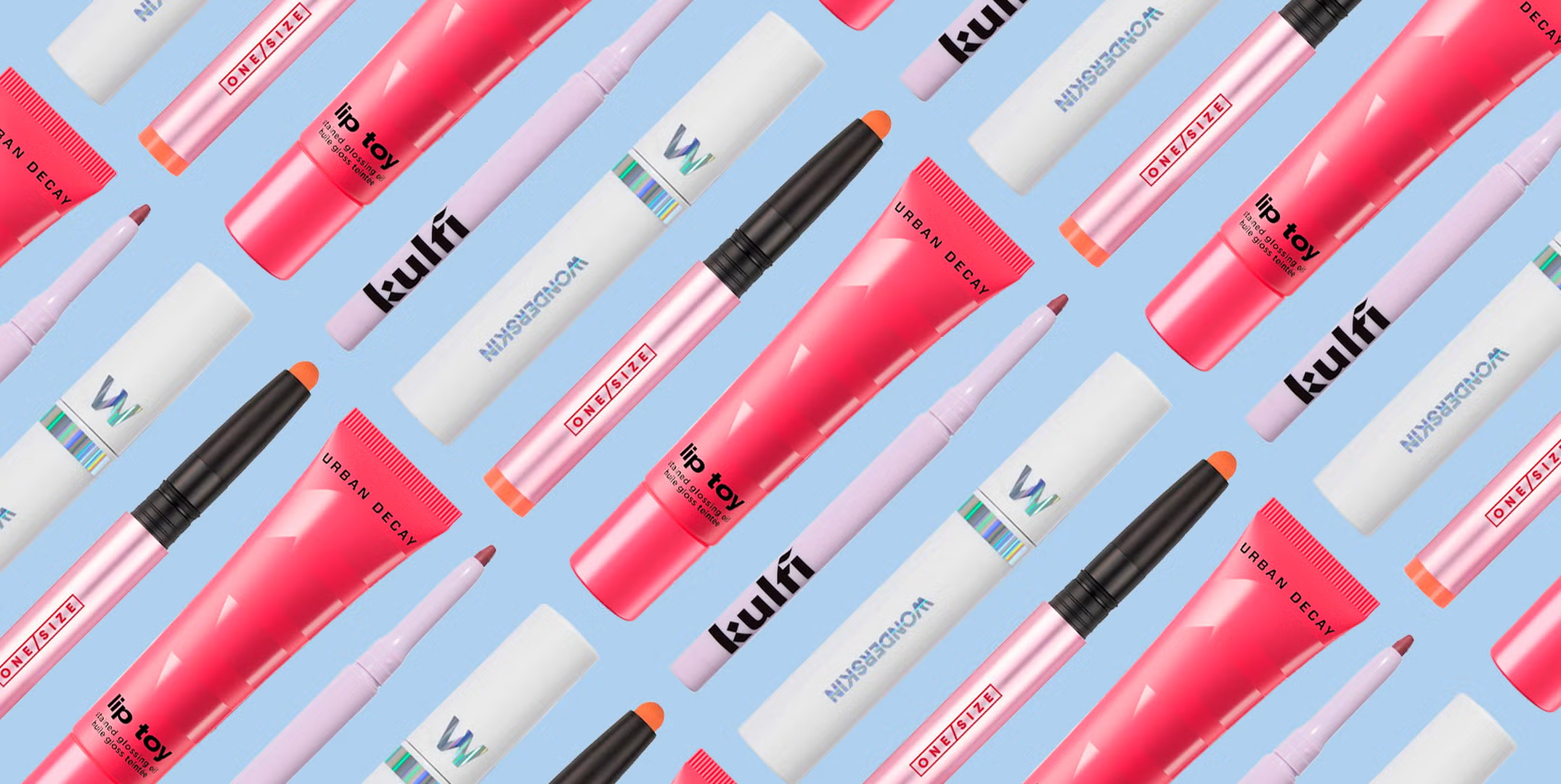
The stain category has exploded from a niche product type into a fundamental pillar of modern makeup. What was once limited to lip stains now encompasses cheek stains, color correctors, and hybrid formulas that blur the line between skincare and color cosmetics. This shift reflects a broader industry movement toward products that prioritize staying power and minimal maintenance.
Stain formulas deliver pigment that bonds to the skin or lips at a deeper level than traditional cream or liquid products. Unlike conventional blushes or lipsticks that sit on the surface, stains typically contain lighter pigment loads suspended in fluid bases that dry down to a semi-permanent finish. The chemistry works because stain formulas often include film-forming agents and long-wear resins that create adherence without the tackiness associated with liquid lipsticks or heavy creams.
The appeal is practical. A cheek stain applied in the morning remains visible through lunch, afternoon meetings, and dinner without requiring reapplication. Lip stains resist eating, drinking, and talking without flaking or fading unevenly. This durability matters for people with active lives who lack time for touchup sessions. It also matters economically. Products that last longer feel like better value.
Beauty brands recognized this demand and expanded the category aggressively. Established players like Benefit, MAC, and Bobbi Brown released cheek and lip stain collections. Newer brands like Rare Beauty and Tower 28 built entire product lines around stain technology. Even luxury houses joined in. Chanel released its Fluid Sheen lip stains. Dior pushed stain formulas across multiple categories. The market responded with consistent growth and strong repeat purchases.
Color corrector stains represent the newest frontier. These products combine the problem-solving promise of color correction with the convenience of stains. A green stain neutralizes redness without requiring powder or setting spray. A peach or orange stain corrects undereye darkness. These hybrids work because they deliver targeted color payoff while remaining invisible beneath foundation or concealer.
The formula evolution matters too. Modern stains are significantly more refined than early iterations. Second and third-generation formulas offer better color payoff, faster drying times, and less patchiness. Many brands now include hydrating ingredients like glycerin or plant oils to prevent the drying sensation that plagued early stain products. Shade ranges have expanded dramatically. What once meant limited options for deeper skin tones now includes 20+ shades across many brands.
Application technique has become a skill. Stains require precise placement because they do not blend as easily as creams. Feathering edges with a damp beauty sponge, applying in thin layers, or using a stippling motion produces better results than dragging the product across skin. Many beauty creators now teach stain application as a distinct technique within makeup tutorials.
The stain movement also reflects changing aesthetics. Gen Z favors a less-is-more approach that stains enable perfectly. The barely-there flush of a cheek stain suits current trends better than full-coverage cream blush. The natural-looking tint that a lip stain provides aligns with preference for "no makeup makeup" finishes.
Going forward, expect brands to continue innovating within the stain category. Multi-use stains that work on lips, cheeks, and eyelids address the minimalist makeup philosophy gaining momentum. Water-resistant and heat-resistant formulations appeal to people with active lifestyles. Sustainable packaging for stains presents an opportunity brands are beginning to explore.