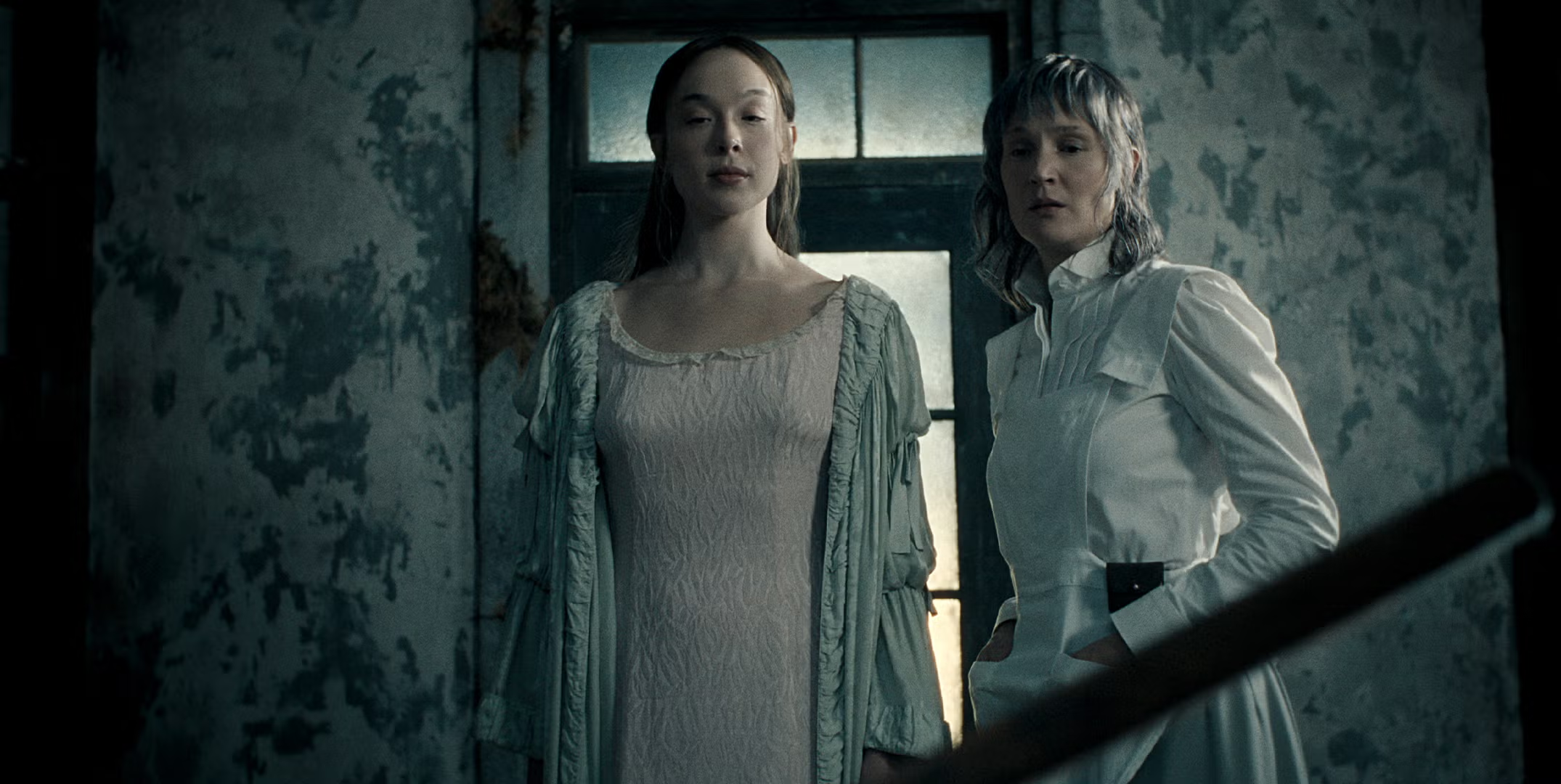
# The Real Maggie Sullivan Behind Netflix's "Monster" Series
Bridget "Maggie" Sullivan emerges as a pivotal character in Netflix's latest "Monster" anthology installment, which examines the infamous Lizzie Borden case through a contemporary lens. The series, produced by Ryan Murphy's production company, reimagines the 1892 axe murders in Fall River, Massachusetts, positioning Sullivan as far more than a peripheral historical figure.
In the Netflix adaptation, Sullivan occupies center stage as Lizzie Borden's housemaid and close confidante. The show portrays their relationship with psychological complexity, suggesting an intimate dynamic that goes beyond typical employer-servant boundaries of the era. This dramatization draws from historical records, though the extent of their actual relationship remains debated among historians and true crime scholars.
The real Maggie Sullivan lived with the Borden household during the period surrounding the murders. Court documents and trial transcripts from 1893 reveal that Sullivan testified during Lizzie's trial, providing testimony about household dynamics and her observations of Lizzie's behavior. Historical records indicate Sullivan remained loyal to the Borden family even after the murders, which some historians interpret as evidence of a genuine bond or possible knowledge that complicated her position.
What makes Sullivan historically intriguing centers on what she didn't say publicly. Sullivan's grand jury testimony was notably cautious, and her trial statements contained careful language that suggested she may have known more than she disclosed. Some accounts suggest she left the Borden household shortly after the murders, though the circumstances surrounding her departure remain unclear in historical documentation.
Netflix's portrayal amplifies the emotional and psychological dimension of their relationship, using it as a lens through which to explore Lizzie's character and potential motivations. The series benefits from the dramatic tension inherent in their dynamic. A housemaid living in close quarters with a woman accused of murdering her own parents creates natural psychological conflict, especially when examining loyalty, class dynamics, and what women in Sullivan's position could safely reveal in 1890s New England.
The "Monster" series joins a long line of Lizzie Borden adaptations that have repeatedly reimagined Sullivan's role. Unlike some portrayals that render her nearly invisible, this version centers her perspective and agency. The creative choice reflects modern storytelling interests in overlooked voices and the experiences of working-class women during this period.
Historical accuracy in the series differs from documented facts. While we know Sullivan existed and testified, the intimate nature of the relationship depicted in the show ventures into speculative territory. Netflix makes no claim to strict historical accuracy, instead using the Borden case as a jumping-off point for psychological drama and character exploration.
For viewers interested in the actual historical record, court documents from the 1893 trial remain available and provide Sullivan's own words. Comparing her trial testimony against the Netflix portrayal reveals how modern dramatizations reshape historical narratives to serve contemporary audiences and storytelling conventions.