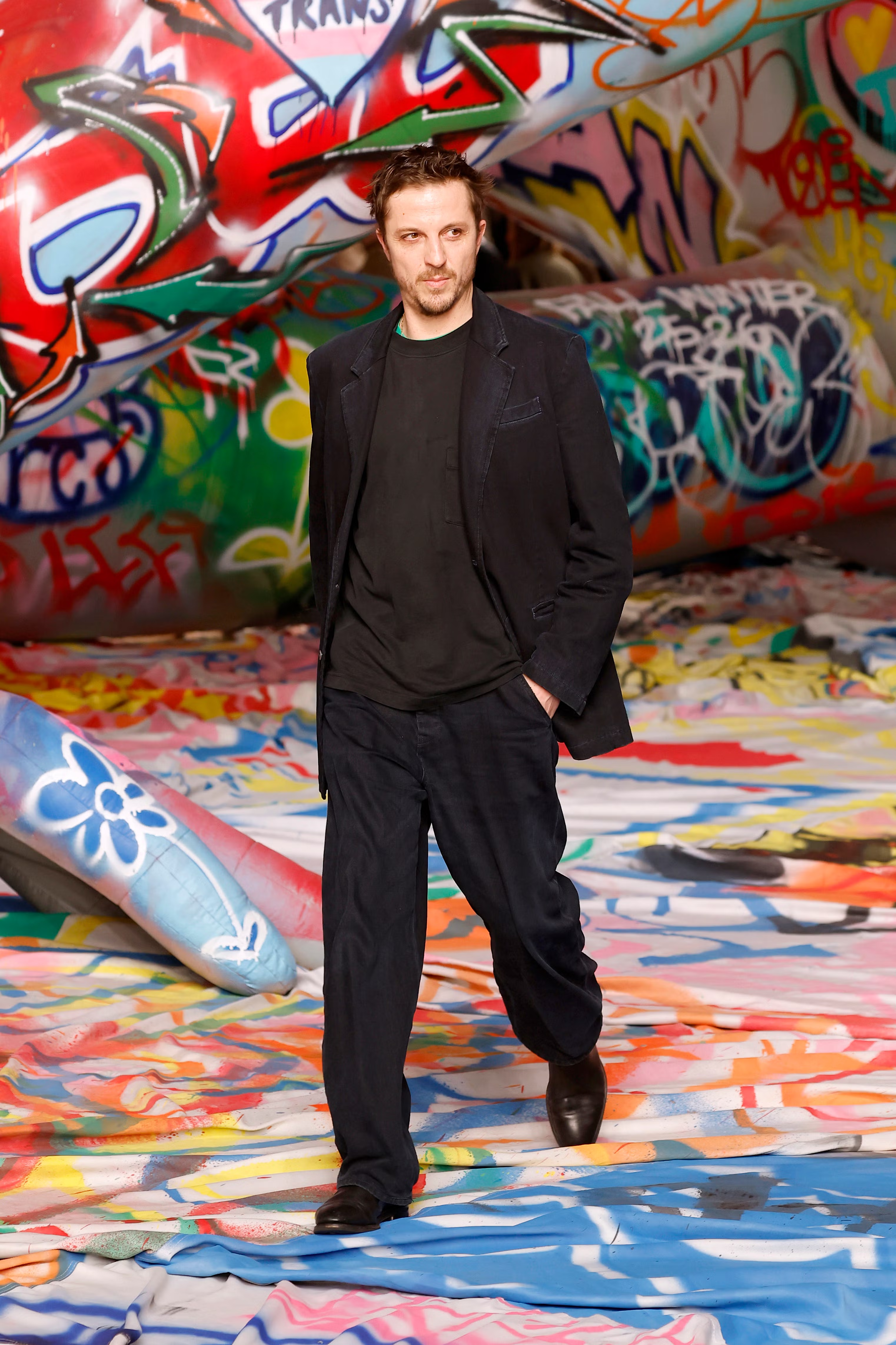
# Glenn Martens Steps Down as Diesel Creative Director to Focus on Maison Margiela
Glenn Martens has exited his position as creative director of Diesel, the Italian denim and casual wear powerhouse. The Belgian designer will dedicate his full attention to his role at Maison Margiela, where he has served as creative director since 2020.
Martens took the helm at Diesel in 2020, the same year he joined Margiela. His tenure at Diesel marked a significant shift for the brand, which sought to modernize its image while preserving its heritage as a denim authority. Under his creative vision, Diesel moved away from purely logo-driven designs toward more conceptual, fashion-forward pieces that appealed to a younger demographic without abandoning the brand's core customer base.
The move reflects the practical reality facing luxury designers today. Holding creative director positions at two major houses simultaneously demands enormous creative bandwidth, strategic planning, and travel. Martens' decision to consolidate his focus suggests he views his work at Margiela as the priority, particularly as that brand continues its expansion in the luxury market.
His departure comes at a moment when Diesel faces competition from heritage denim brands reinventing themselves for contemporary consumers. Luxury houses like Saint Laurent and even contemporary brands have aggressively pursued the high-end denim space. Diesel's challenge lies in balancing its position as an accessible lifestyle brand with aspirational, investment-level pieces.
Martens has established a distinctive design philosophy centered on deconstruction, unexpected proportions, and a somewhat subversive approach to tailoring. These elements appeared across his Diesel collections, though the brand's commercial demands sometimes required more wearable interpretations than his more experimental Margiela work. At Margiela, he has greater creative freedom to pursue avant-garde concepts, including the house's signature artisanal craftsmanship and gender-neutral silhouettes.
The exit does not necessarily signal dissatisfaction with Diesel itself. Rather, it reflects the industry norm where designers eventually choose between dual roles. Martens worked effectively with Diesel's team to elevate the brand's creative standing, but stewarding two distinct houses with vastly different market positions, price points, and customer expectations eventually becomes unsustainable.
Diesel has not yet announced a successor. The search will likely target someone who understands contemporary denim culture while respecting the brand's 40-year legacy. Previous creative leaders brought varying approaches, from nostalgic reissues to futuristic experimentation. Finding the right voice requires balancing accessibility with aspirational design, a tension that defined much of Martens' work there.
For Margiela, this move solidifies Martens' long-term commitment and signals confidence in his stewardship of the house. The brand has grown substantially under his direction, with increased visibility in ready-to-wear and accessories while maintaining its reputation for conceptual rigor.