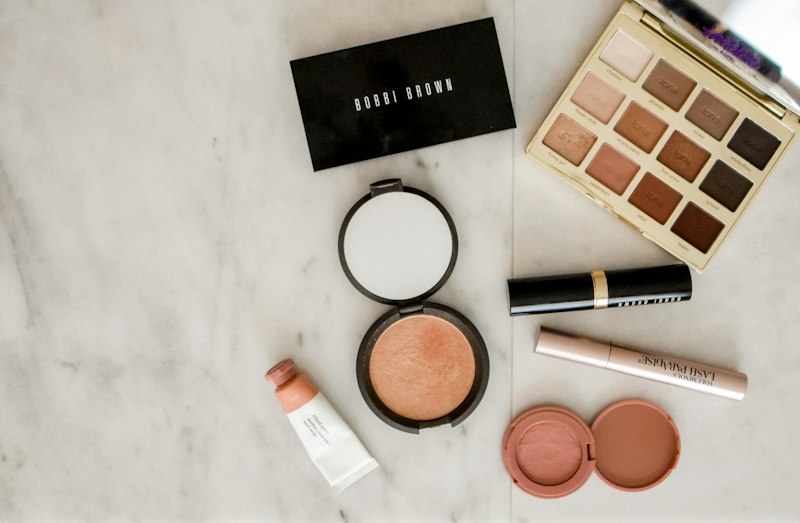
The beauty industry runs on urgency. A product drops. Influencers film unboxings. Editors post reviews within 48 hours. Consumers panic-buy. Repeat.
We see this cycle constantly. When a new foundation launches with celebrity backing or viral momentum, the pressure to purchase immediately feels real. The fear of missing out mingles with FOMO about shade ranges selling out. The unpopular take I'm offering here is this: restraint, not speed, may be the smarter strategy.
This isn't a contrarian position rooted in pessimism. It's grounded in how product lifecycles actually work in cosmetics.
Consider what happens in those first three months after a major launch. Initial batches reflect formulation efforts from months or years prior. Manufacturing ramps up. Quality control systems activate across multiple production facilities. Real-world feedback from thousands of users—not just beauty editors or influencers with specific skin types—begins surfacing in comment sections, subreddits, and review aggregators.
Then reformulations quietly happen. Not always advertised. Sometimes you don't notice unless you're comparing batch codes.
The person who buys on launch day has a different product experience than the person who buys in month four. The early adopter may encounter oxidation issues, consistency problems, or shade mismatches that the brand genuinely didn't anticipate. The patient buyer often gets a more refined version, benefiting from the early adopter's feedback without paying the "beta tester tax."
There's also a financial dimension worth acknowledging. Viral products rarely stay at launch pricing for long if they're genuinely good. Retailers stack promotions. Beauty subscription boxes feature them. Discount tiers appear. The person who waited three months often pays less for a superior product.
The counterargument is obvious: shade ranges do sell out. Formulas sometimes change for the worse based on market feedback. Waiting isn't risk-free either. But the statistical likelihood that a major launch will remain available in some form three months later is high, especially for established brands with distribution infrastructure.
What troubles me more is the psychological cost of the rush-to-buy cycle. Makeup should feel intentional. A new foundation is only worth purchasing if it actually solves a problem in your routine. Does your current foundation not work on dry or oily skin? Are you genuinely unhappy with your shade match? Or are you buying because the momentum feels irresistible?
The beauty editorial ecosystem—and I say this from inside it—has incentive to accelerate that timeline. We need to publish while stories trend. Brands need launch velocity. Algorithms reward speed. But that urgency doesn't automatically benefit consumers.
Here's what I'd propose instead: save the launch-day purchases for products from brands with proven track records where you already know your preferences. For everything else, bookmark it. Check reviews across different skin types in weeks five through twelve. Read the second and third wave of comments when early adopters have reported actual wear time and longevity.
Watch whether the brand is visibly responding to feedback or going silent. Notice if retailers are already discounting or if the shade range is genuinely limited. Then decide.
This approach requires patience in a culture designed to punish it. But patience in beauty purchases tends to reward you with better products, better prices, and fewer regrettable drawers full of nearly-empty bottles.
The viral moment will pass. A good foundation that actually works for your skin will still be good in twelve weeks. Restraint isn't about rejecting newness. It's about making smarter choices within it.