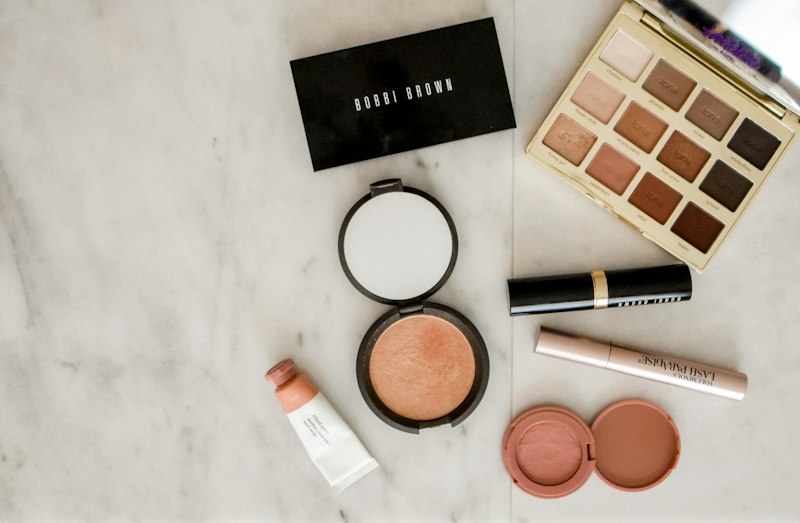
We're drowning in it. New products, flanker launches, limited editions, collaborations, and "surprise drops" arrive with such frequency that the beauty industry has become a kind of perpetual launch calendar where every day is someone's big moment. The irony is that as the volume of launches increases, the actual impact of any single one seems to shrivel.
Walk the floor at any major beauty trade show, scroll through beauty retailer sites, or check your favorite brand's social feeds. The message is clear: more is more. A successful lip balm now requires a matching body butter, a mist, and probably a fragrance extension before anyone takes notice. A new mascara line needs three sub-launches before it's considered "completed." Everyone is adding layers, spinning narratives, and creating artificial scarcity to manufacture demand.
But here's the hot take: the winners in the next few years won't be the brands that master hype stacking. They'll be the ones brave enough to simplify.
This doesn't mean launching fewer products necessarily. It means being ruthless about clarity. It means a launch that answers a single question beautifully rather than trying to answer seven questions adequately. It means a product story you can explain in one sentence, not a press release that requires a flowchart.
Consumers are exhausted. Not by beauty itself, but by the cognitive load of parsing through launch messaging that contradicts itself, tries too hard, or simply adds noise without value. A brand that says "we made a better foundation" and proves it will stand out more than a brand that launches that same foundation alongside three coordinates, a coffee table book, and an influencer mystery box.
The operators who understand this will find their advantage in restraint. Not because restraint is trendy, but because restraint is rare.
Consider the practical advantage: launching with clarity means your marketing team isn't stretched across ten sub-narratives. Your supply chain isn't managing eighteen SKUs when you meant to launch three. Your customer service doesn't have to field confusion about which product is actually the one to buy. Your retailer partners know exactly what they're selling and why. Everyone wins except the people profiting from confusion.
This approach also creates genuine scarcity. When you launch fewer things, each thing becomes harder to get. When everything is limited edition, nothing is. The brands that choose to make fewer products, more intentionally, will be the ones creating actual demand rather than artificial demand.
There's also a trust element here. Consumers are increasingly skeptical of launch theater. They've been burned by disappointing flankers, by limited editions that weren't actually limited, by collaborations that felt cynical. A brand that launches something and simply stands by it, with no additional layers of hype, actually signals confidence. It says: this product is good enough to sell itself.
The beauty industry's tendency to equate ambition with multiplication is backwards. True ambition is knowing what not to launch. It's having the discipline to kill a line extension idea because it doesn't serve the core mission. It's recognizing that complexity in your launch strategy creates complexity in your customer's experience, and nobody wins in that scenario.
We're going to see a bifurcation. Some brands will continue the maximalist approach, creating increasingly elaborate launch ecosystems that appeal to a subset of devotees. Others will quietly own the middle ground and the mass market by being direct, clear, and focused.
Guess which approach scales.
The next dominant players in beauty won't be the ones with the most launches. They'll be the ones with the most conviction about what they're launching, and the courage to stop adding noise.