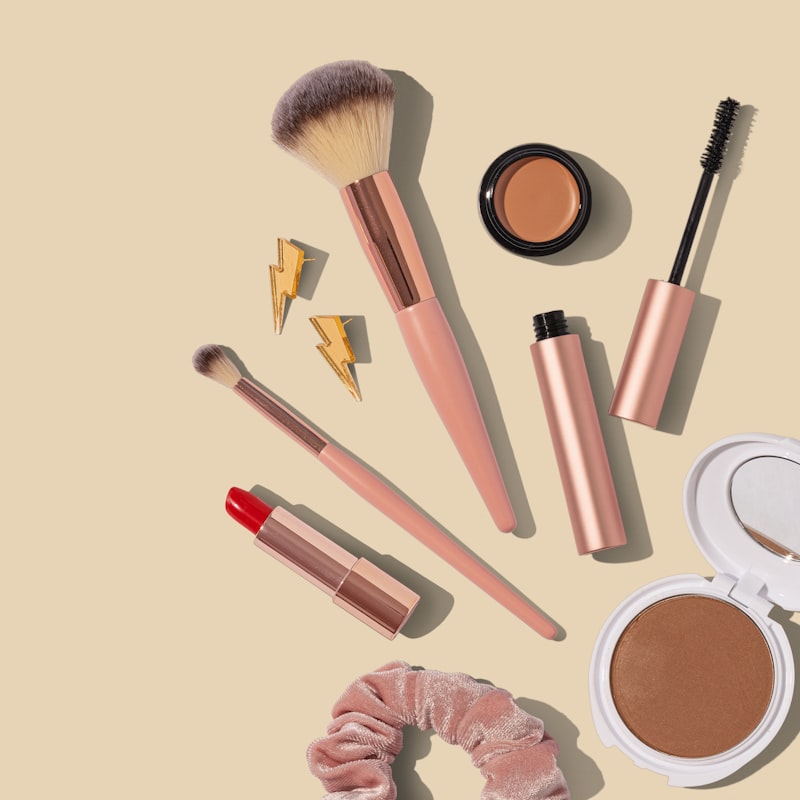
Walk into any beauty counter these days and you'll see the same pattern repeating: a successful product gets a companion piece. Lip balm spawns body butter and facial mist. Fragrance gets paired with scented lotions and candles. The matching set has become the default launch strategy, presented to consumers as natural progression and to investors as smart portfolio expansion.
But this trend is being sold as inevitable when it arguably represents a narrowing of creative ambition in the beauty industry.
The logic seems airtight on the surface. If customers love Product A, why wouldn't they want Product B in the same scent or formula family? Cross-category sales increase. Average transaction values rise. Marketing becomes efficient because you're already talking to engaged customers. From a business standpoint, it checks every box.
The problem is that this logic assumes consumer desire follows a predetermined path, when it actually might be shaped by what companies choose to put in front of us. There's a difference between fulfilling genuine demand and creating it through strategic repetition.
Consider what gets lost when matching sets become the dominant launch model. Innovation that doesn't fit neatly into a collection gets deprioritized. A brand that wants to explore a radical new texture or a completely unexpected category faces internal pressure to justify how it connects to existing hero products. Resources flow toward building out existing franchises rather than taking genuine risks on truly different ideas.
The matching set strategy also favors brands with established consumer bases and significant marketing budgets. A smaller independent brand can't efficiently launch a fragrance and then immediately follow with seven complementary products. They can't absorb the inventory risk or advertising spend. So this trend, while presented as consumer-driven, actually concentrates power among the largest players.
There's also something subtly exhausting about the current launch calendar from a consumer perspective, even if that exhaustion doesn't always register consciously. When every successful launch immediately spawns a family of products, the novelty of discovery diminishes. You're not encountering a series of distinct products designed with specific purposes. You're encountering variations on a theme, iterations on what already exists.
This matters for how we think about the beauty industry's role in culture. Beauty launches are moments of genuine excitement and creativity. They're how brands communicate their vision and values. When launches become primarily about creating coordinated product ecosystems, something gets diluted. The focus shifts from "What new idea are we bringing to the world?" to "How many SKUs can we create from this one successful idea?"
The summer fridays body butter that pairs with an existing lip balm might be a perfectly pleasant product. The question isn't whether it will sell. The question is whether this represents the most interesting use of a company's creative energy and resources.
None of this argues against launching complementary products when they make genuine sense. A fragrance company launching a body lotion in the same scent has real consumer appeal. The issue is when this becomes the only template, when it's treated as the automatic next step rather than one option among many.
The beauty industry has tremendous creative potential. Brands have resources, talent, and direct relationships with consumers. That's a remarkable platform. It deserves better than a launch strategy that has become reflexive and safe.
The matching set trend will likely persist because it works financially. But that doesn't mean we should accept it as inevitable or natural. It's a choice, and choices can be questioned.