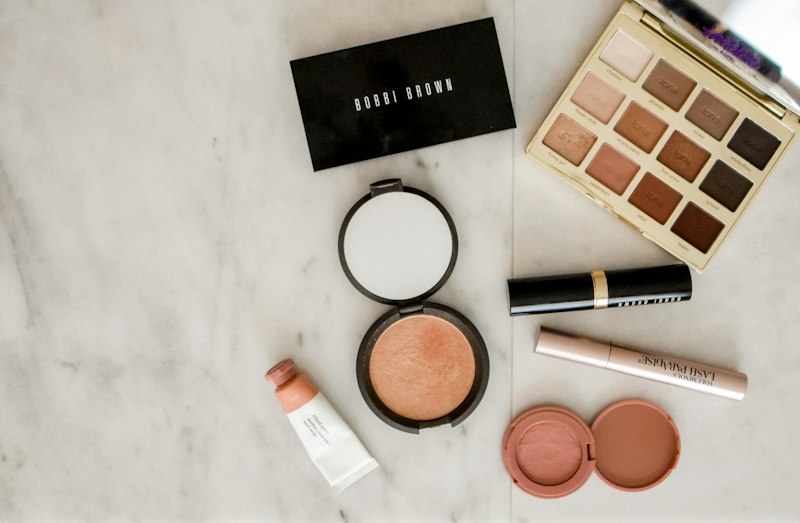
Everyone sees it. Another beloved skincare or fragrance line announces a companion product, and the internet collectively nods. Line extensions are the industry's favorite safety play. Summer Fridays adds a body butter to match the lip balm. A fragrance house promotes leadership specifically to manage its sprawling portfolio. We treat these moves like natural evolution, the inevitable next chapter of successful brands.
But here's the uncomfortable truth we're not discussing: the flanker boom isn't a sign of category health. It's a symptom of creative bankruptcy at scale.
Let me be precise about what I mean. A flanker product, for those keeping score, is a variant or companion item that extends an existing brand into adjacent territory. They're not new brands. They're not innovation. They're multiplication. And in 2024, we're multiplying like never before.
The logic is seductive for companies. If consumers love Product A, surely they'll buy Product A-Adjacent. Margins are healthy. Risk is theoretically lower. Retailers already know the brand. Distribution channels exist. Everything points toward yes, so everyone says yes.
What gets lost in this calculus is the question of what the customer actually wants versus what the company can conveniently manufacture and sell.
Consider the broader launch landscape right now. Yes, there are genuinely novel products appearing at events like Cosmoprof. But they're increasingly islands in a sea of flankers, dupes, and variations on themes that were already familiar two years ago. We're not seeing a revolution in what beauty can do. We're seeing an explosion in what existing brands can repackage.
This matters because it's reshaping how consumers encounter beauty altogether. The category is becoming denser, noisier, and paradoxically less distinctive. When every major brand is extending into every adjacent white space, the whole market starts to blur together. Is that body butter substantively different from three others on the shelf? Does it matter? The brand name does the work.
What this trend actually breaks is brand differentiation itself.
Think about the pressure this creates downstream. Influencers and editors face unprecedented launch volume with less time to assess what's actually important. New consumers don't know where to start because the signal-to-noise ratio has collapsed. Even legacy brands lose their clarity when they're constantly diluting their own identity across new products. The LVMH fragrance consolidation under one leader, for instance, signals not creative unity but the sheer management complexity of stewarding this many lines.
And here's what concerns me most: this environment actively punishes actual innovation. A truly novel launch has to compete for attention not just against category alternatives but against seventeen line extensions from competitors with bigger marketing budgets. The economics favor safe choices. They punish risk.
The uncomfortable question isn't whether flankers will continue. Of course they will. The question is whether the industry's dependence on them signals that we've stopped asking customers what they actually need versus what we can conveniently sell them.
The consensus says flankers are just smart business. And technically, they are. But consensus is comfortable. It's the better question that matters.