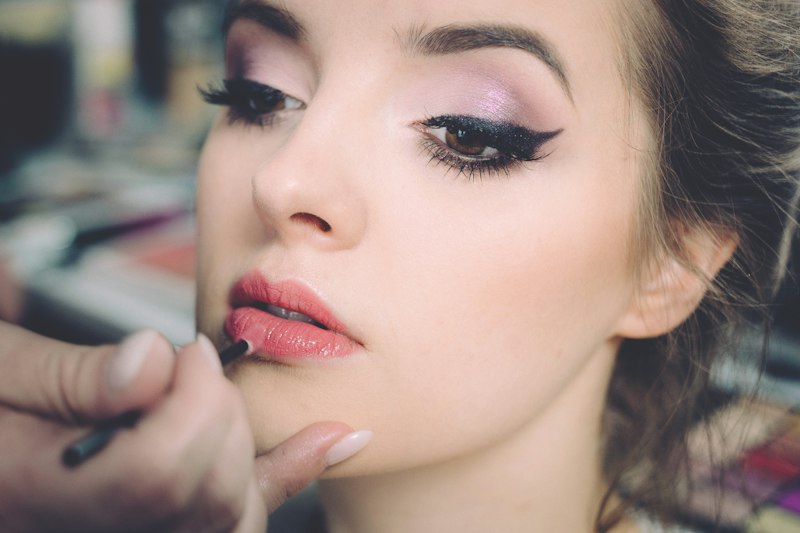
Walk into any beauty conversation right now and you'll hear the same refrain: minimalism is winning. Bare skin, dewy finishes, "no-makeup makeup." The aesthetic is everywhere, from red carpets to street style. It's a narrative so clean, so easy to package, that beauty media has largely accepted it as the whole story.
But here's what's actually happening beneath that narrative: the entire infrastructure of how we buy, learn about, and think about makeup is collapsing and rebuilding itself in real time.
The shift toward minimal makeup isn't really about preference. It's about access, authenticity, and a fundamental erosion of trust in traditional beauty gatekeepers. And that changes everything.
For decades, makeup purchasing was controlled by a specific ritual: you went to a department store counter, a trained associate told you what you needed, you bought what they recommended. That person had power. They shaped your relationship with makeup. They were the expert, the arbiter, the reason you bought seven foundations instead of one.
That structure is gone. Gen Z and younger millennials didn't grow up in that world. They learned makeup from TikTok creators, from Reddit threads, from beauty YouTubers who built audiences by explicitly rejecting the "you need this" sales model. Those creators thrived by saying the opposite: you probably need less than you think.
Now here's where it gets interesting. The minimalist makeup trend isn't primarily aesthetic preference. It's a logical response to having eliminated the middleman. When you're not being sold to by a commissioned associate, when you're learning from creators who don't benefit from your consumption, you naturally arrive at different conclusions about what you actually need.
The "naked makeup" moment coinciding with the rise of social commerce and direct-to-consumer beauty brands isn't coincidental. It's structural. Brands discovered they could sell more by selling less frequently and positioning themselves as "honest" alternatives to department store gatekeeping. The aesthetic became the marketing strategy.
But here's what's wild: this doesn't mean minimalism is a passing trend. It means the makeup industry has permanently reorganized around a different consumer psychology. People aren't choosing bare skin because it's trendy. They're choosing it because the old system that convinced them otherwise no longer exists.
The real power shift is this: beauty consumers now control their own education. A 19-year-old can know more about skincare science and product formulation than a Sephora associate ever did, just from following the right accounts. Expertise is democratized. Trust is granular. And that means brands can't rely on traditional authority anymore.
This is why we're seeing the rise of "transparent" beauty brands, why ingredient lists matter more than packaging, why authenticity and honesty are now competitive advantages. These aren't aesthetic preferences. They're the natural outcome of a power restructuring.
The makeup counter didn't disappear because nobody wanted makeup. It disappeared because the consumer relationship to makeup fundamentally changed. And that change cascades through everything: what gets sold, how it gets priced, what gets considered beautiful.
So when you see those stripped-back, skin-focused looks everywhere, you're not just seeing a trend. You're seeing the visible manifestation of an entire industry reorganization. The aesthetic is real. But the real story is structural.
Beauty went from hierarchical to horizontal. And we're still figuring out what that means.