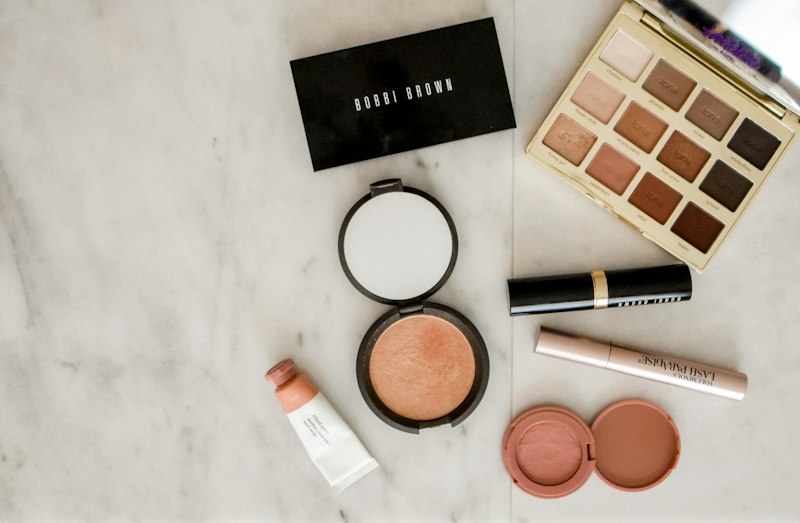
There's a moment in every trend cycle when you realize the industry has stopped selling solutions and started selling anxiety about not having the right solutions. We're in that moment with wellness.
I don't mean this as a casual observation. I mean the entire sector is cannibalizing itself through sheer noise, and the operators who figure out how to cut through it won't be the ones launching the next app, the next adaptogenic blend, or the next wearable that tracks your sleep in seven different dimensions. They'll be the ones who make wellness boring again.
Look at what's happening. The average consumer now faces an exhausting maze of choices: Should you do hot yoga or cold plunges? Invest in expensive skincare or embrace minimalism? Track every metric or embrace intuitive wellness? Buy the trendy product or wait for the sale? The messaging is contradictory, the products multiply weekly, and the overall effect is paralyzing rather than empowering.
This isn't wellness anymore. This is consumption dressed up in wellness language.
The real opportunity sits with companies that understand something fundamental: people don't want more options. They want fewer, better options. They want clarity. They want someone to stop selling them the narrative and start solving their actual problem.
Consider what's already shifting. The minimalist skincare movement wasn't a rebellion against good products. It was a rebellion against the overwhelming pressure to use fifteen serums and creams and oils and essences. People voted with their wallets for simplicity. That's not a trend. That's market correction.
The same thing is happening across wellness categories. Sleep apps proliferate while people secretly just want to sleep. Supplement companies multiply while consumers desperately want to know which three things actually matter. Meditation apps compete endlessly while people wonder if they could just sit quietly without gamification and achievement badges.
The winners in this space will be operators who do something radical: they'll step back. They'll create frameworks that reduce decision fatigue rather than amplify it. They'll build products that don't require a PhD in wellness science to understand. They'll resist the urge to add every trendy ingredient or feature.
This doesn't mean boring branding or low quality. It means the opposite of the current zeitgeist, which treats wellness as an infinite expansion of choices, upgrades, and optimizations. The next generation of winners will treat it as a focused practice.
Think about the brands that already own their categories through simplification: they're not the ones chasing viral moments or launching seasonal collaborations with celebrities. They're the ones who figured out one thing and did it exceptionally well, then stopped adding.
The current noise level is unsustainable. It exhausts consumers, dilutes brand equity, and creates a market so crowded that differentiation through product innovation alone becomes impossible. Every company is screaming for attention in a space where attention is already fractured.
Here's my prediction: within the next two years, the wellness brands that grow fastest won't be the ones that add another layer of personalization, another layer of technology, or another layer of hype. They'll be the ones that remove something. They'll be the ones honest enough to say, "You don't need this" and "Here's what actually works."
That's the real disruption. That's where market share gets captured. Not by selling you more, but by finally, mercifully, selling you less.