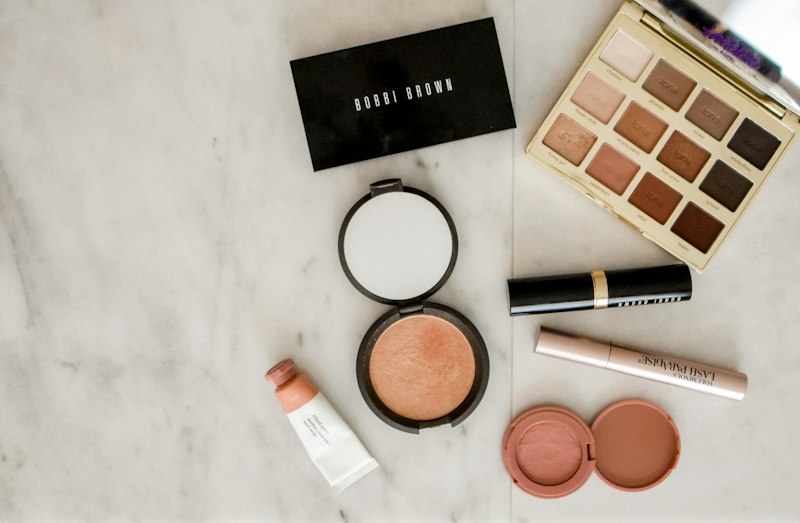
There's been a lot of buzz lately about "clean girl" aesthetics and barely-there makeup looks dominating red carpets and social media. We've seen it at major events, celebrated by influencers, and promoted as the aspirational standard of modern beauty. But here's what bothers me: the industry is profiting handsomely from what it's selling us as simplicity.
Let me be clear about what I'm observing versus what I'm analyzing. When major publications celebrate the "nakedest looks," they're framing minimal makeup as accessible and anti-consumerist. That's the marketing narrative. But the reality of how brands benefit tells a different story entirely.
The minimalist makeup movement requires just as much, if not more, product investment than maximalist approaches. Think about what goes into a "no-makeup makeup" look. You need a primer that costs twenty to forty dollars. A full-coverage foundation that blurs imperfections while looking invisible. Concealer for targeted coverage. Color correction products. Setting spray. The list goes on. These products are often positioned as skincare-makeup hybrids, commanding premium pricing under the guise of quality and ingredient integrity.
Compare this to a bold lip and winged eyeliner approach. You actually need fewer products. A lip color. Maybe mascara. Done. But the industry isn't incentivizing that simplicity.
What's happening is sophisticated marketing disguised as a movement toward authenticity. Brands have realized they can sell more by selling the idea of selling less. It's brilliant from a business perspective. It's troubling from a consumer perspective.
The companies profiting most from minimalist trends are those selling "invisible" products at premium prices. Multi-use items, sophisticated skincare-makeup crossovers, and "skin-like" formulations command higher margins than traditional cosmetics. Consumers believe they're buying fewer things and investing in quality. Brands know they're selling more things at higher price points under different category labels.
Additionally, this trend disproportionately benefits people with naturally clear skin and specific facial features that read well with minimal makeup. For people with acne, hyperpigmentation, rosacea, or other skin conditions, the pressure to embrace minimalism can feel exclusionary. The industry celebrates inclusion while inadvertently rewarding those who need less correction in the first place.
Then there's the influencer economy layered on top. Content creators who promote minimalist approaches often do so while using ten times more products than they're showing on camera. They're being compensated by brands selling those premium "simple" items. Their audiences trust the simplicity narrative without realizing the financial incentives behind it.
I'm not arguing that minimalist makeup is bad or that people shouldn't embrace it. Personal expression through makeup is valuable regardless of how much or how little someone uses. What I'm pointing out is that we should recognize the economic machinery behind what's being presented as an anti-consumption trend.
Readers deserve to know who benefits from the narratives we're being sold. In this case, it's the premium skincare-adjacent makeup companies, the influencers with affiliate links, and the publications generating clicks from aspirational content. It's worth noticing when an industry rebrands consumption as restraint.
The next time you see a minimalist makeup look being celebrated, ask yourself: Who is making money from this? What products are being recommended? What price point are they? Are there implicit messages about whose skin is "naturally" beautiful enough for this trend?
Beautiful makeup, minimal or maximal, is a choice worth making for yourself. But let's be honest about the incentives shaping which choices the industry is rewarding most aggressively. That clarity matters more than any makeup application ever could.