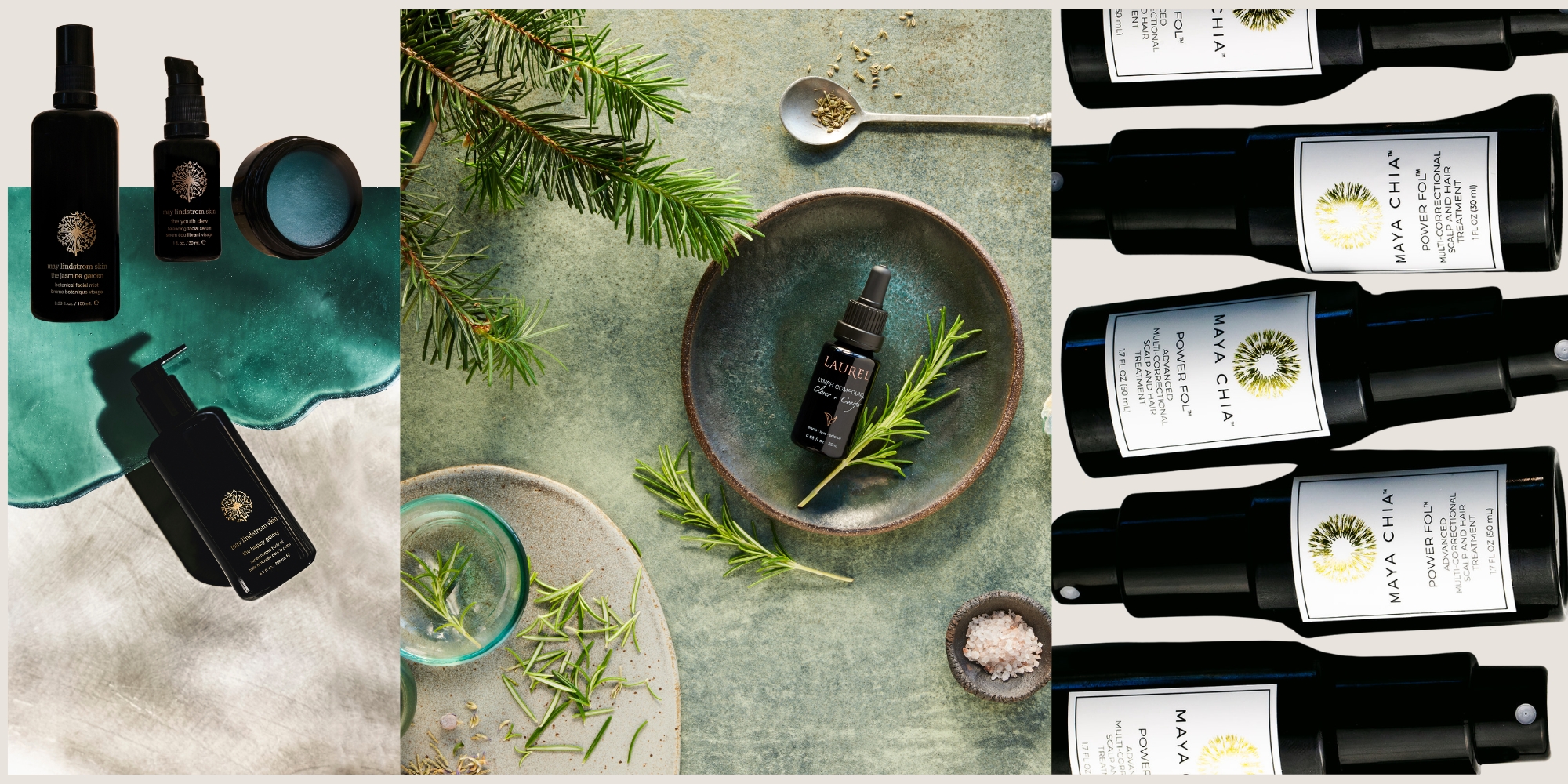
Clean beauty brands that launched over a decade ago continue to thrive by maintaining operational independence and avoiding the venture capital trap that has derailed many newer competitors. These early movers control their own production, keep overhead low, and answer only to themselves rather than external investors demanding rapid scaling and exit strategies.
The longevity of these brands stands in contrast to the "Rhode effect" model, where celebrity founders and heavy VC backing create unsustainable growth expectations. By rejecting that playbook, established clean beauty players have built resilient businesses focused on product quality and customer loyalty over flashy marketing and acquisition.
Brands that own their supply chains and manufacturing processes gain flexibility to reformulate based on ingredient innovations and consumer feedback without board pressure. This approach proves especially valuable in clean beauty, where transparency about sourcing and chemical composition directly influences customer trust and retention.
The category has matured beyond its initial hype cycle. Death proclamations for "clean beauty" miss the reality that founders who stayed true to the segment's core values—safer formulations, minimal additives, ingredient integrity—have built lasting companies. These brands demonstrate that sustainable growth in beauty comes from authenticity and control, not hype.